
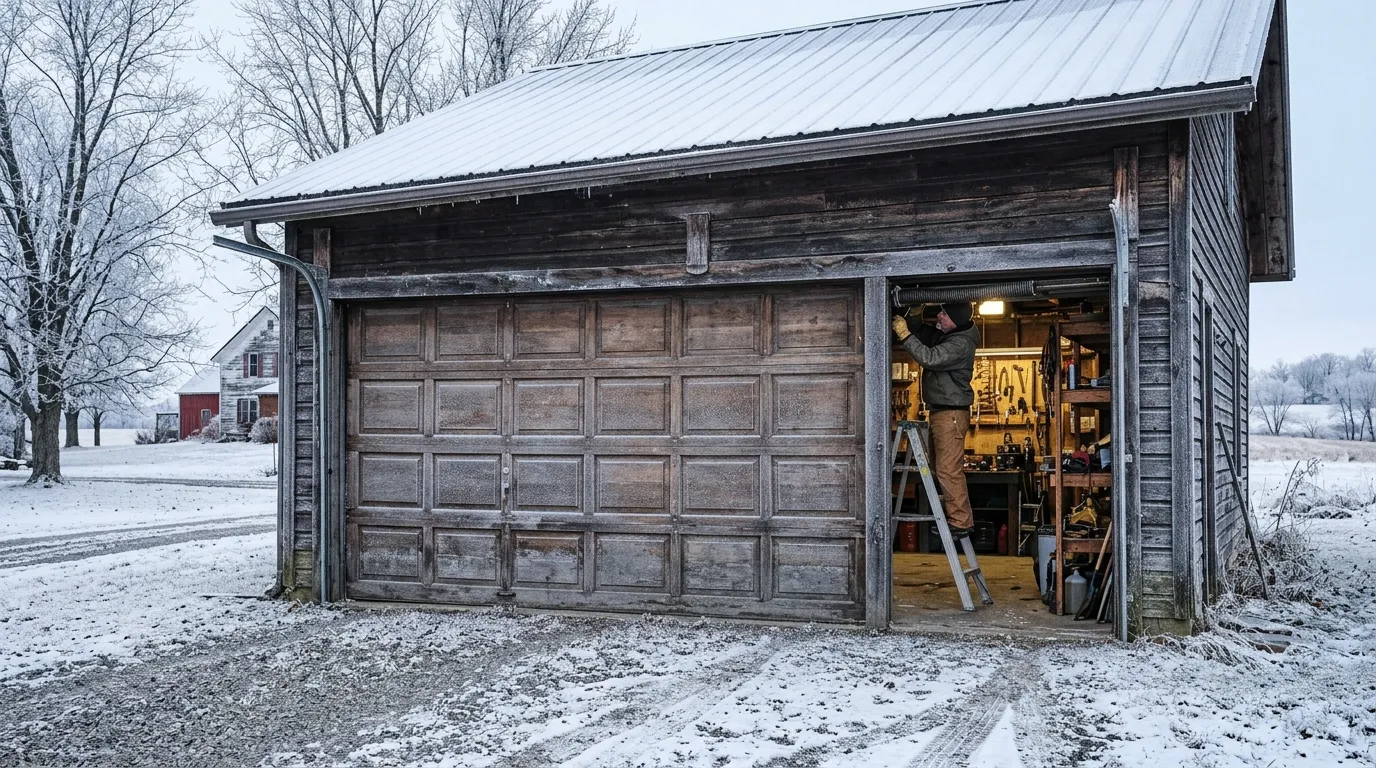
Carrollton Garage Door Guide
Why Springs Give Out in the Cold Here - And What Carrollton Houses Have to Do With It
Carrollton's 2000s-era housing stock and moderate-heat climate mean torsion springs fail in a specific pattern. Here's why, and when to stop and call it in.
- Licensed & Insured
- Same-Area Service Calls
- Upfront Pricing
Where People Go Wrong
Most of the houses in this service area went up between 1973 and 2014, with the median landing around 2000. That matters more than people think, because a homeowner in a house built in 2001 assumes everything in the garage is roughly that age too - including the door hardware. It isn't.
A torsion spring is a wear part with a cycle life, not a permanent fixture like the slab or the studs. Across the 23 named areas that make up most of the local stock, the bulk of it is 2000s-vintage construction, which means a lot of springs out there are on their original wind, now well past the point where they should have been swapped once already.
The common mistake is treating a slow, stiff door as a lubrication problem. People spray the track, oil the rollers, maybe adjust the opener's force setting, and call it fixed for another six months.
None of that touches the spring itself, which is quietly losing tension every time it cycles. By the time it actually breaks, it's usually not a surprise to anyone who'd looked closely - the door had been groaning and closing crooked for weeks.
The Problem
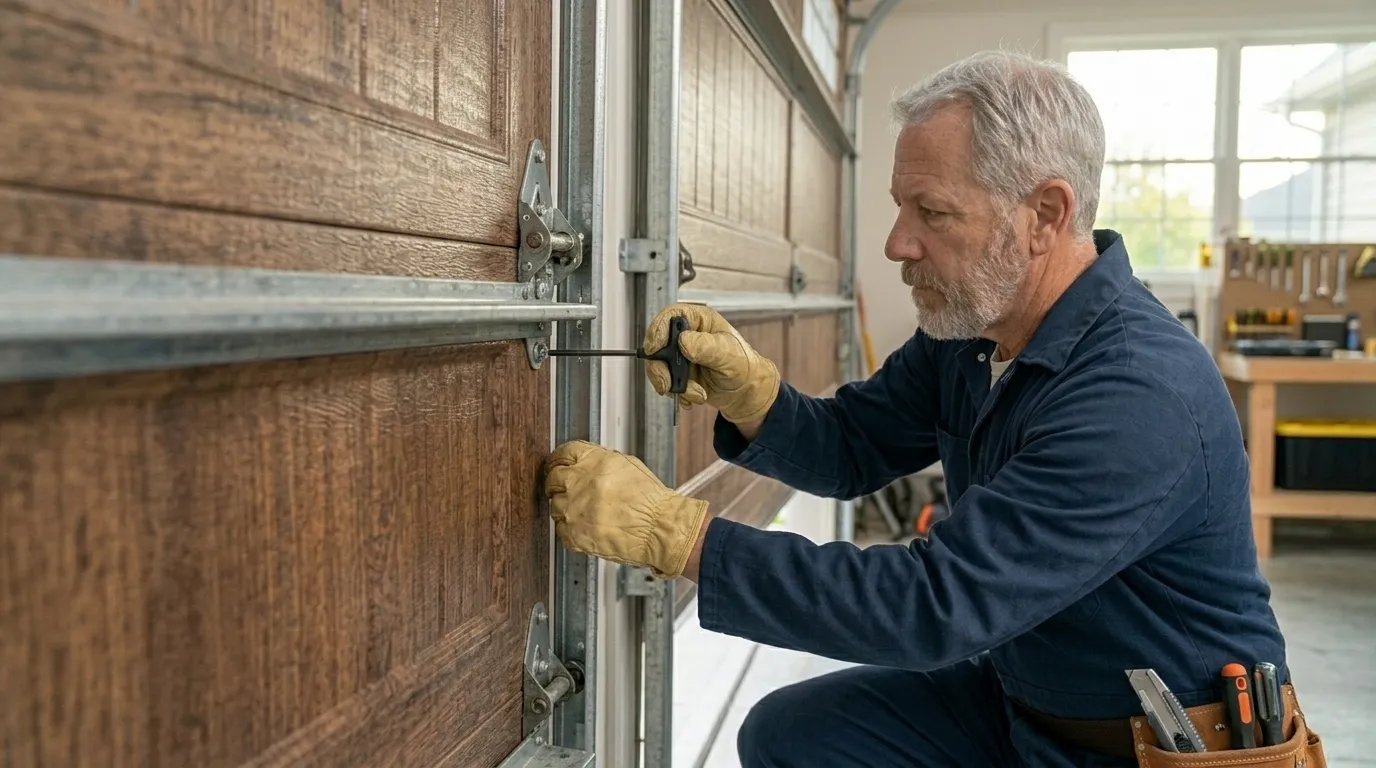
With roughly 62,590 owner-occupied houses in the service area, a lot of garage doors were installed in the same construction windows and are aging on the same clock. Builder-grade torsion springs from that era weren't always sized generously for the door weight - insulated doors especially - so they hit their rated cycle count sooner than a heavier-duty replacement spring would.
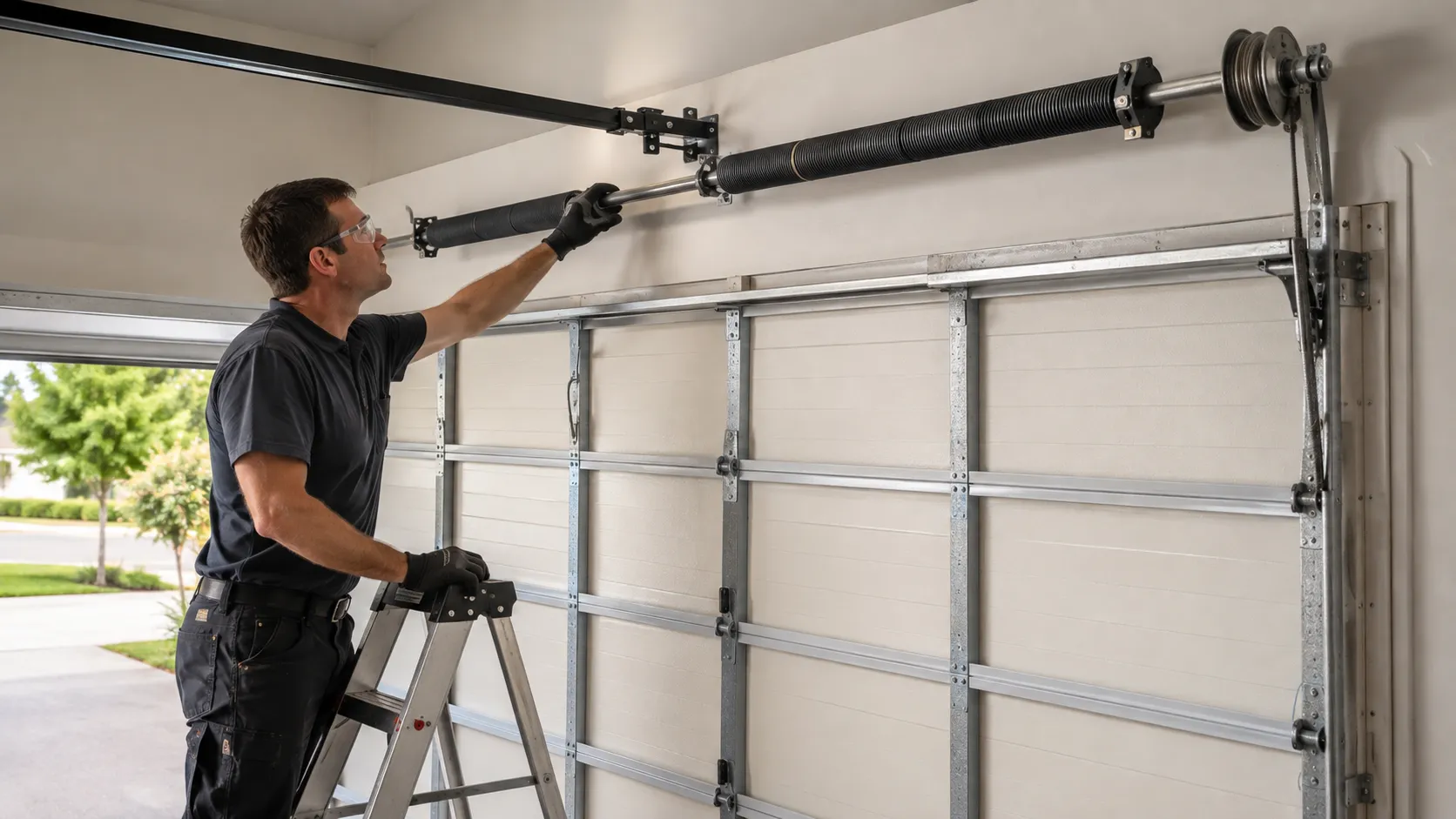
What that means in practice: the spring doesn't just wear evenly and fade. It holds tension right up until one coil, usually near an end where the wire has work-hardened the most, finally lets go. The door doesn't ease down - it drops, fast, or the opener strains and burns out trying to lift a door that no longer has counterbalance.
Either way, by the time it fails, it fails all at once, not gradually. That's the part people don't expect: the door seemed fine the day before.
What the Weather Here Does to It
This area sits in a moderate-heat climate band, which means the stress on a spring isn't constant deep cold - it's the swing. Long stretches of heat expand the steel and soften it slightly through repeated cycling all season. Then a cold snap drops in fast, the metal contracts hard and fast, and whatever coil was already fatigued from the summer's cycling is the one that snaps under the sudden change.
That's different from a place that's cold for months straight, where the spring stays contracted and stable. Here, the spring is doing more flexing between temperature extremes over a year, and the failure tends to show up right at the first real cold snap after a long hot run - not gradually through the winter. If your door has been fine all summer and suddenly won't budge or drops the first cold morning, that timing isn't a coincidence.
When It Stops Being a DIY Job
A broken torsion spring is not a job to learn on YouTube the day it happens. The spring is under real tension even at rest, and winding or unwinding one without a proper winding bar and the door clamped down has put people in the hospital. That's the honest limit here - we don't walk homeowners through doing this themselves over the phone, and we won't sell you a spring without installing it.
There's also a sizing issue specific to this housing stock: a lot of the original builder-grade springs in 2000s-era construction were undersized for the door once insulation or a heavier panel style got added later. Swapping in an identical replacement just repeats the failure on the same timeline. If your door is groaning, closing unevenly, or the opener strains before it even reaches the spring failing outright, that's the window to get it looked at - not after it drops.
How We Can Help
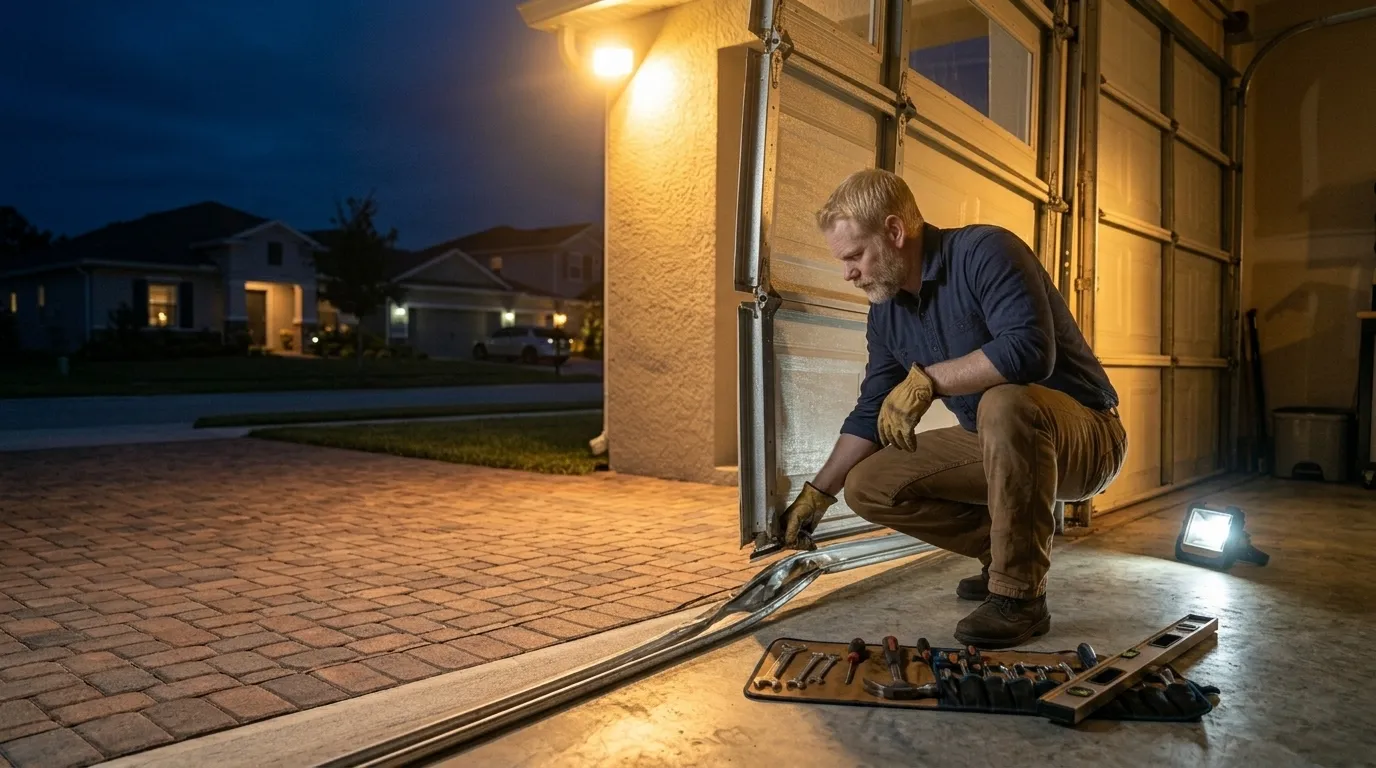
Garage Door Repair
Springs, cables, tracks, rollers, and openers fixed by a tech who explains the problem before touching anything.
Learn more →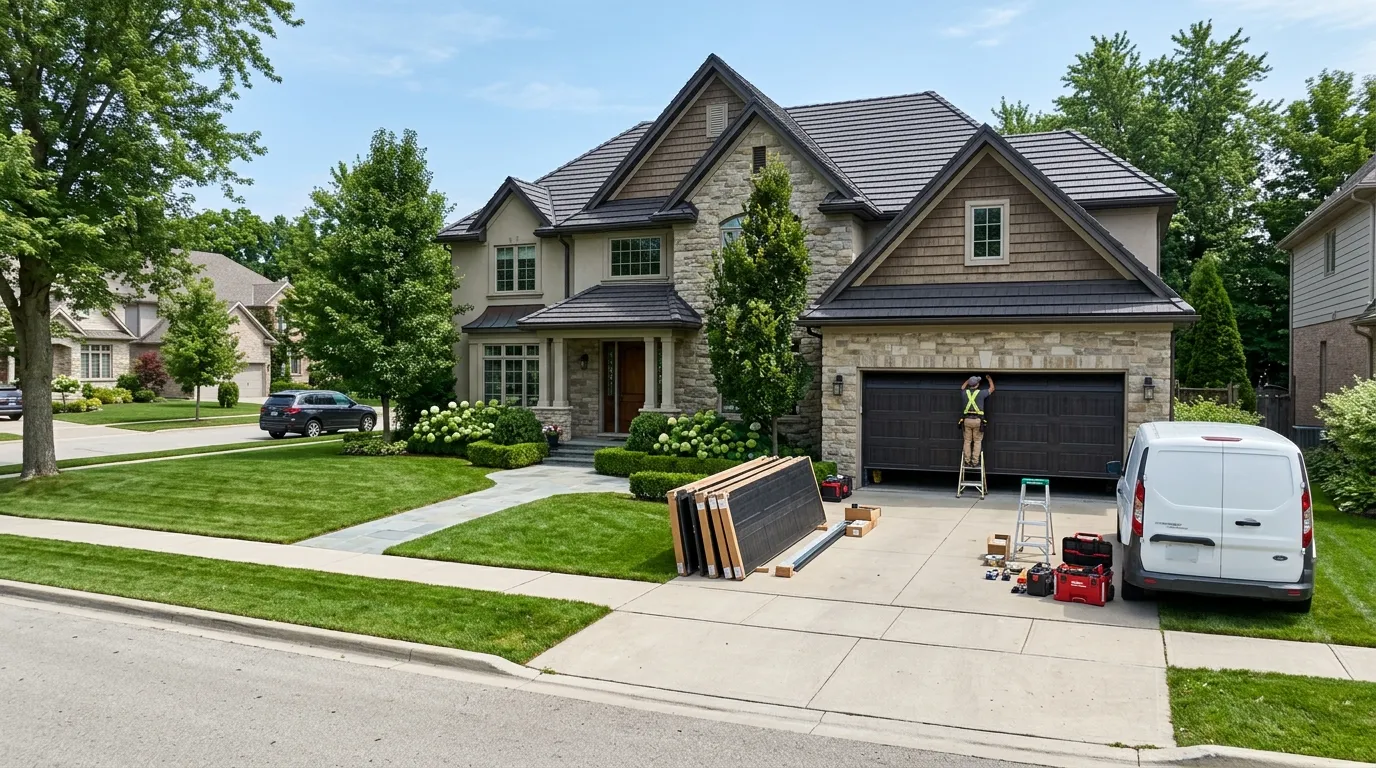
Garage Door Installation
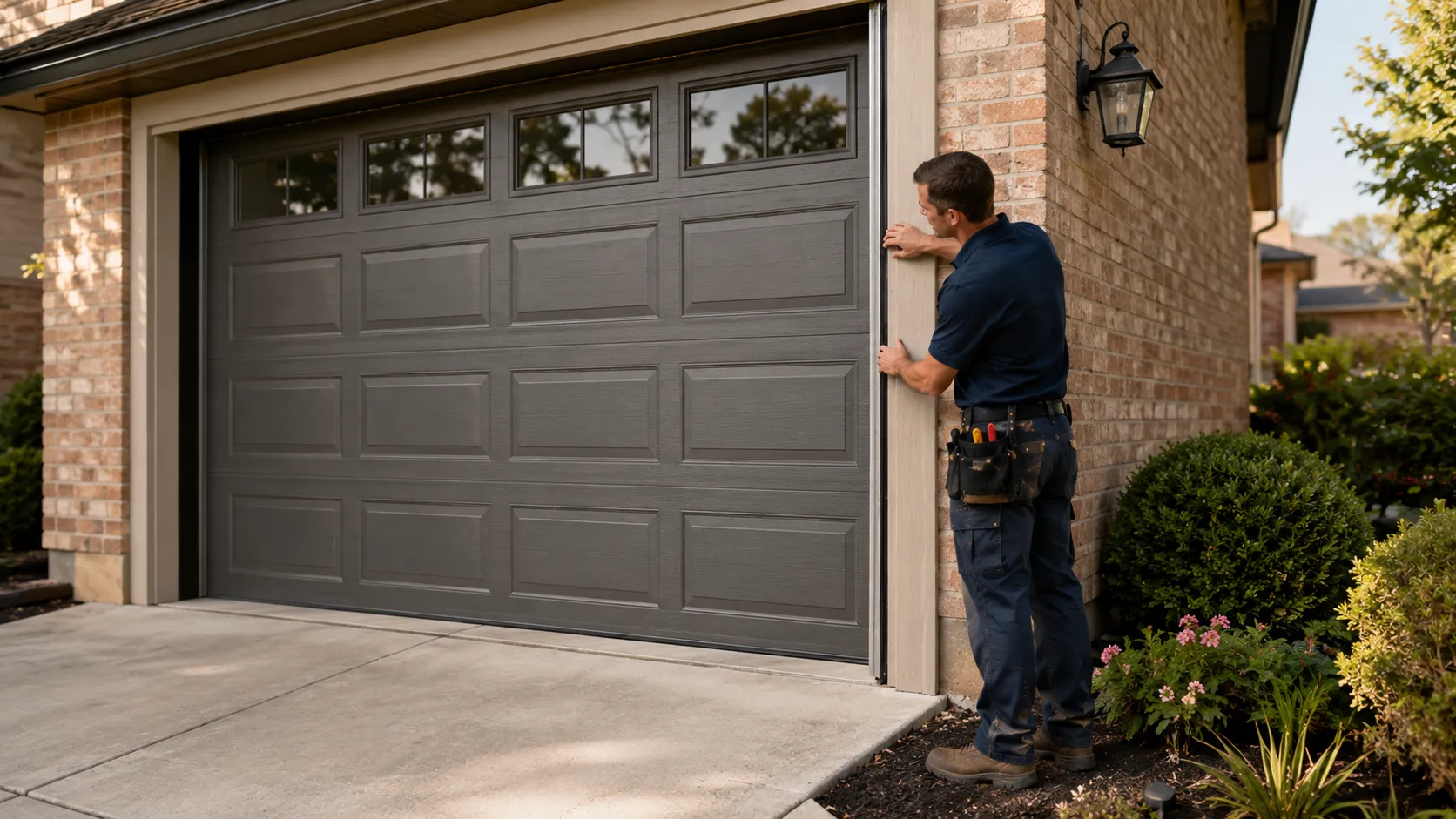
New sectional doors sized and installed for the housing stock actually built in this area.
Learn more →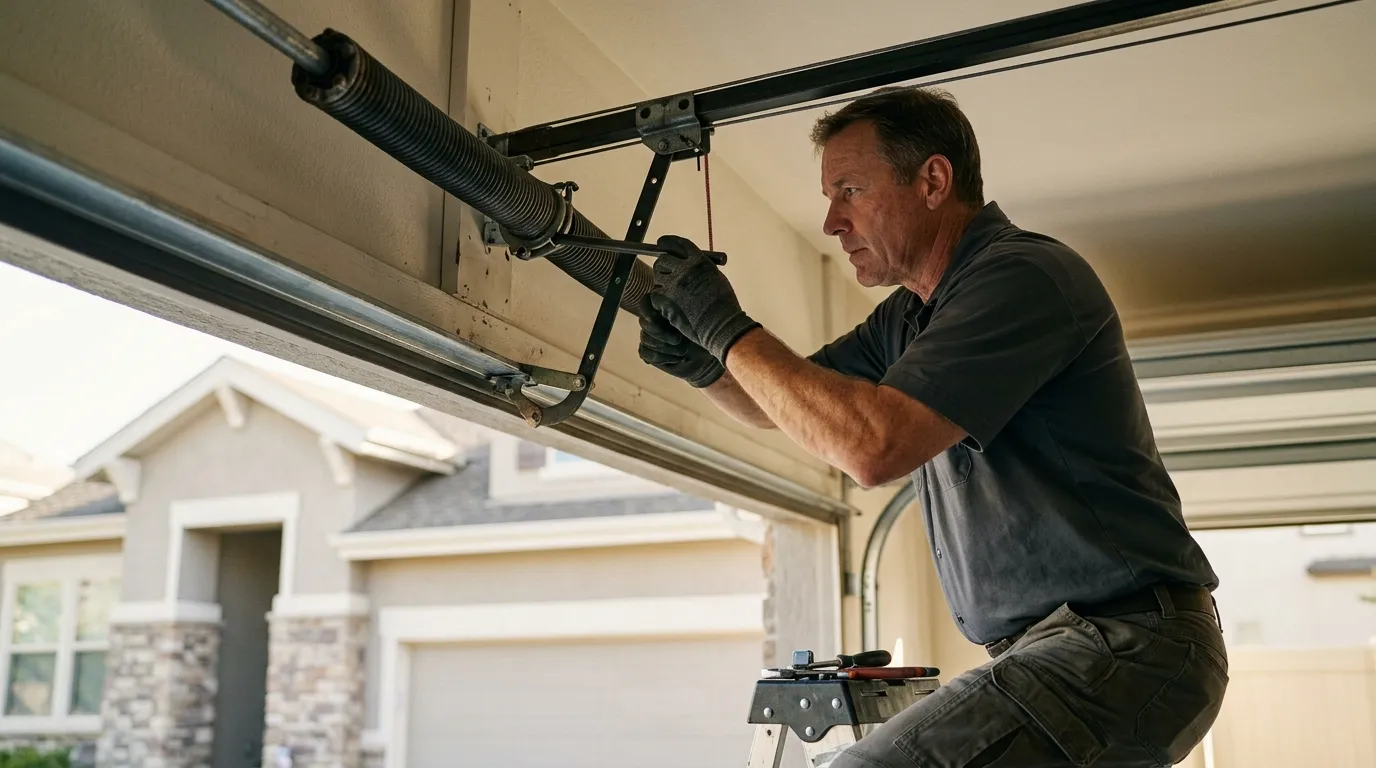
Garage Door Service
Tune-ups, lubrication, and safety checks that catch a small problem before it becomes a service call.
Learn more →Frequently Asked Questions
Why did my spring break on the first cold day, when it was fine all summer?
In this climate band, springs cycle through months of heat before a sudden cold snap hits. That fast contraction after a long hot stretch is often what finishes off a coil that was already fatigued from summer cycling. It looks sudden, but the wear built up over months.
Is my spring original to the house?
If your house was built anywhere in the 1973-2014 range common to this area, and especially around the 2000 median, it's worth checking. A lot of original torsion springs in that stock are well past their rated cycle life and haven't been replaced yet.
Can I replace a torsion spring myself?
We don't recommend it. The spring holds real tension even when the door is down, and winding or unwinding one without a proper bar and clamped door is genuinely dangerous. This is one job we always send a truck for, not a phone call.
Have a Door That Needs a Second Opinion?
Call and describe what it is doing - we will tell you what it likely is.