
Carrollton Garage Door Guide
Is Your Carrollton Garage Door Worth Fixing, or Time to Replace It
Carrollton's housing mostly went up between 1973 and 2014. Here's how that build era and our heat decide whether your door is worth repairing or replacing.
- Licensed & Insured
- Same-Area Service Calls
- Upfront Pricing
Where People Go Wrong
The mistake we see most in Carrollton is treating every garage door problem the same way, regardless of when the door went in. A homeowner in Original Town hears a grinding noise and assumes the whole unit is shot.
A homeowner three miles north in Castle Hills hears the same noise on a door installed a decade later and panics just as much. Age matters more than the noise does.
Most of the doors we look at here went up somewhere between 1973 and 2014, with the largest cluster from right around 2000. That's a 40-year spread, and a door from 1975 has almost nothing in common mechanically with one from 2008 - different spring systems, different track gauges, different hardware that may or may not still be made. Assuming they fail the same way, or that they're worth the same repair dollar, is how people end up either overpaying to fix something not worth saving, or replacing something that had another ten years left in it.
The fix isn't a rule of thumb. It's knowing which build era you're actually standing in front of before deciding what the repair is worth.
The Problem
Across the 93,793 households in this service area, and across 23 named neighborhoods from Central Carrollton to Farmers Branch, most garage doors sit inside that same 1973-to-2014 window, with the heaviest concentration from the 2000s. That's useful, because it means failure patterns repeat street to street instead of being random.
A door built in the late 1970s or 1980s is old enough that its steel gauge is thinner than what's sold today, its torsion spring cycle life is long past used up even if it hasn't snapped yet, and its rollers were never nylon to begin with. A door from the 2000s build boom is a different animal - usually still has serviceable hardware, but the weak point tends to be the opener logic board or the weatherstripping, not the door itself.
So "is it worth fixing" isn't one answer for Carrollton. It's an answer that depends on which side of that 30-year build window your house landed in, and whether the failure you're looking at is a hardware problem or a structural one.
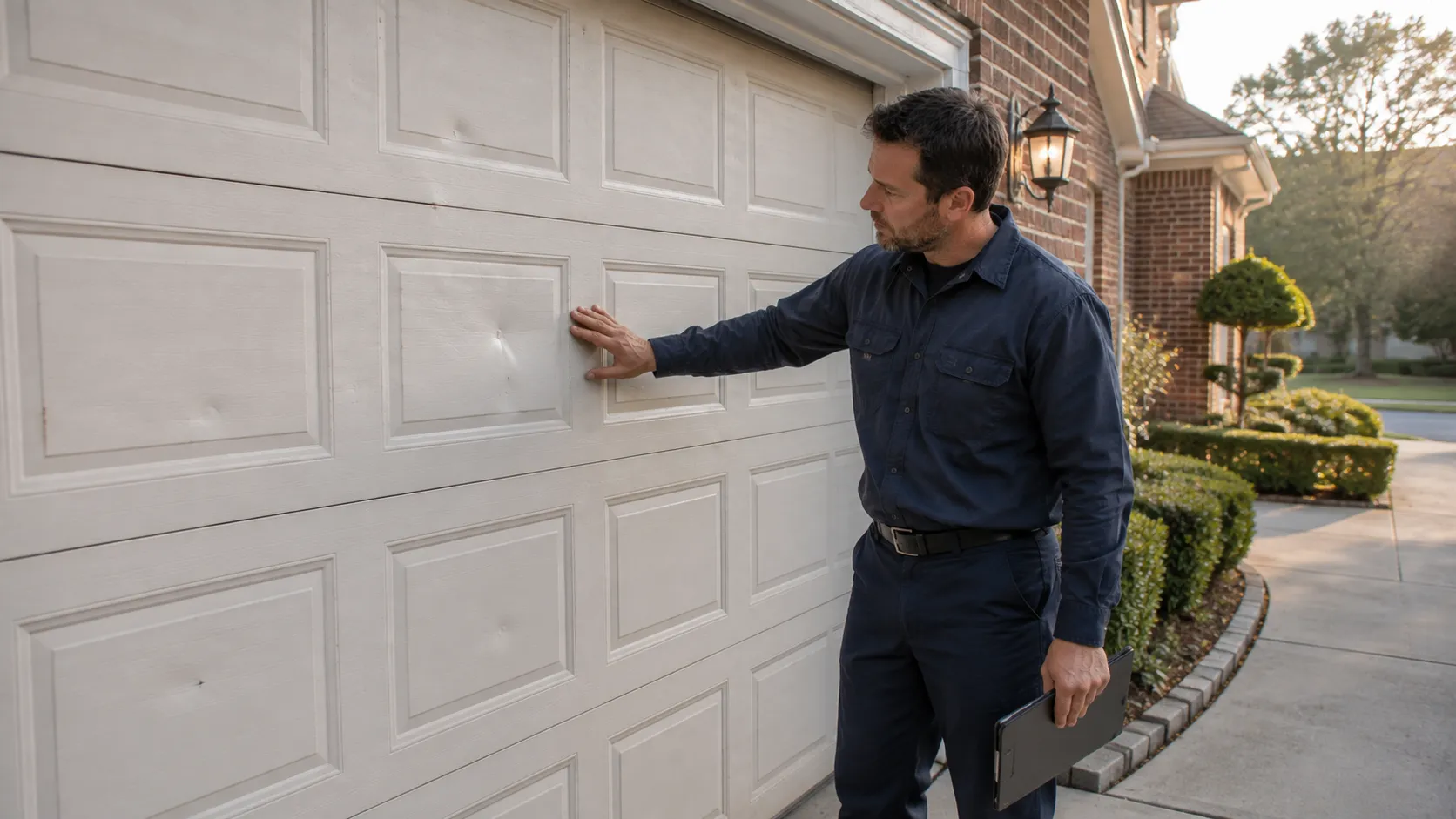
A bent bottom panel on a 1980s steel door usually isn't worth patching. A dead opener on a 2005 door almost always is.
What the Weather Here Does to It
Carrollton sits in a moderate heat climate band - not the kind of place where a single summer cracks a panel, but the kind where twenty summers in a row slowly does the work. Grease hardens and stops migrating through the spring coils.
Rubber weatherstrip at the bottom of the door dries out and shrinks away from the slab. Steel track brackets that were torqued down once at install loosen a fraction of a millimeter at a time as the metal expands and contracts through the seasonal swing.
This matters more for the older half of the housing stock than the newer half. A door from the early build years has had three or four decades of that cycle; a 2000s door has had two, maybe. That's why we ask when a house was built before we ask what's wrong with the door - the age tells us more about what's likely failing underneath the symptom than the symptom does on its own.
Heat wear is gradual and it's fixable if you catch it in the hardware stage: springs, rollers, weatherstrip. It stops being fixable once the heat cycling has warped the panel steel itself, which shows up as a door that won't sit flush no matter how the track is adjusted.
When It Stops Being a DIY Job
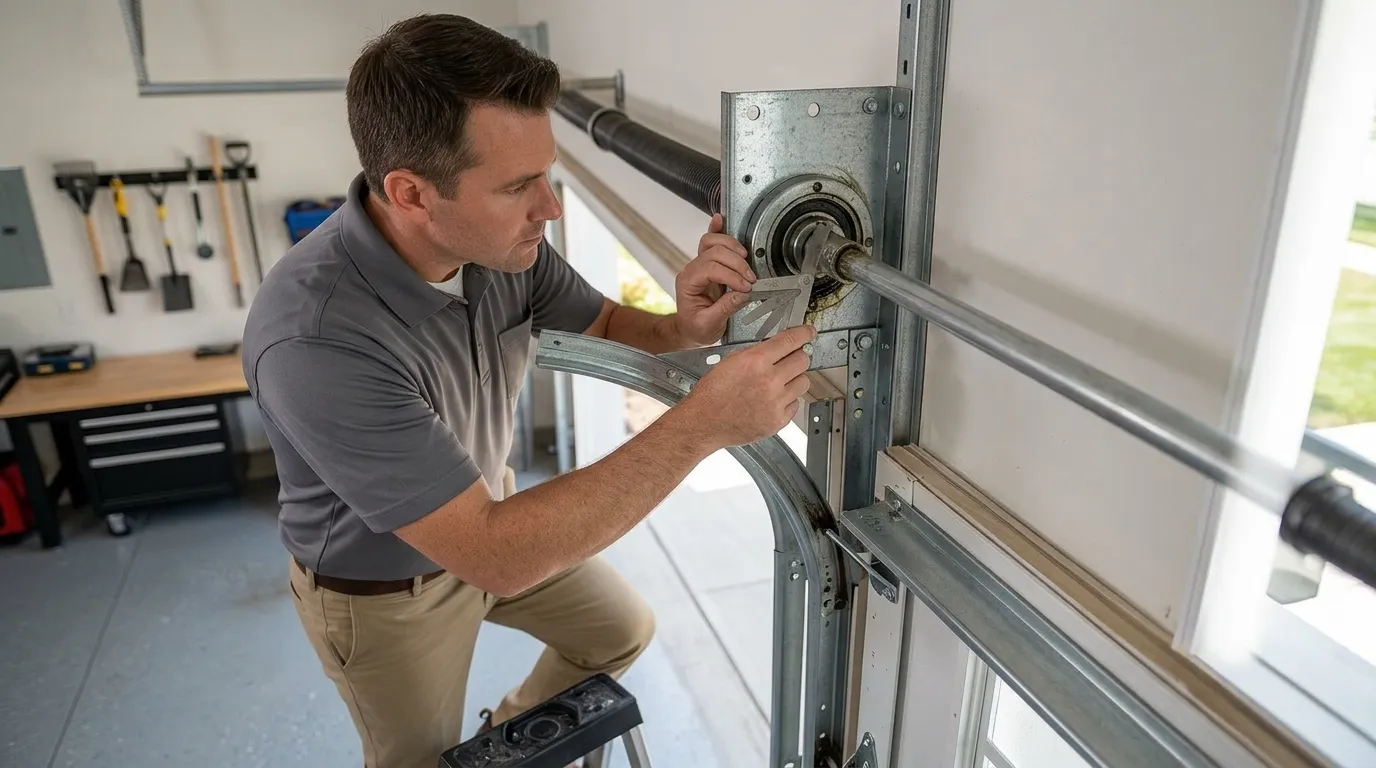
Lubricating hinges and swapping weatherstrip is reasonable homeowner work on any door in this area, regardless of build year. Torsion spring replacement is not - the spring is under enough tension to cause real injury, and that doesn't change no matter how old or new the door is.
What does change with age is the replacement math. With a median household income of $158,333 across this service area, a lot of owners here reach the same conclusion once they've paid for a second or third repair on an older door: it's cheaper long-term to replace than to keep chasing failures on hardware that's past its cycle life. That's not a sales pitch, it's arithmetic most people can do themselves once they've had the spring, then the opener, then the rollers go in the same two years.
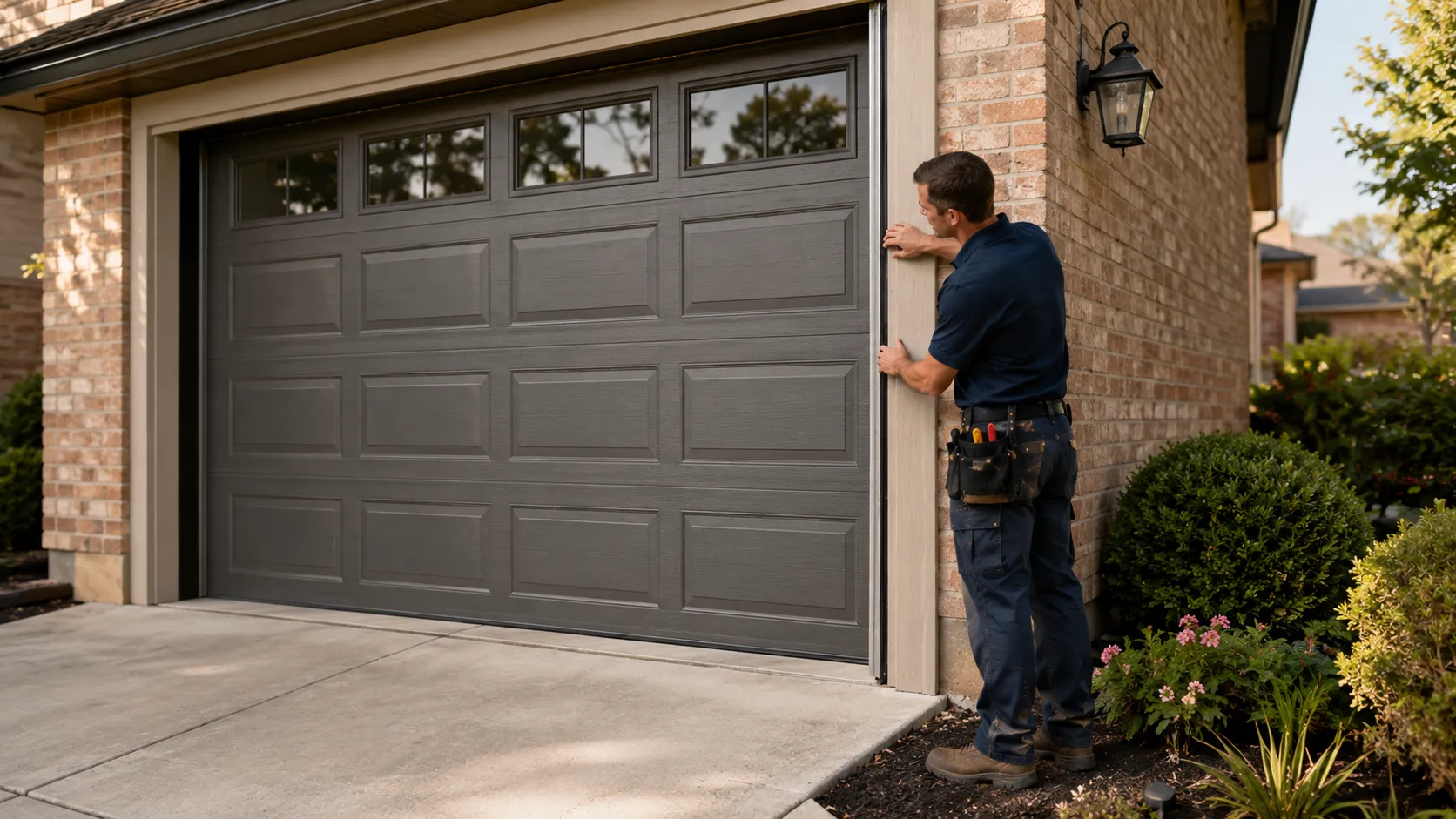
One honest limit on our end: if the bottom panel has rusted through or the track brackets have pulled loose from a cracked jamb, we're not going to patch it and send you on your way. That kind of damage means the door's structure is compromised, and no repair on top of it holds for long. We'll tell you straight when that's what we're looking at instead of billing for a fix that won't last.
How We Can Help
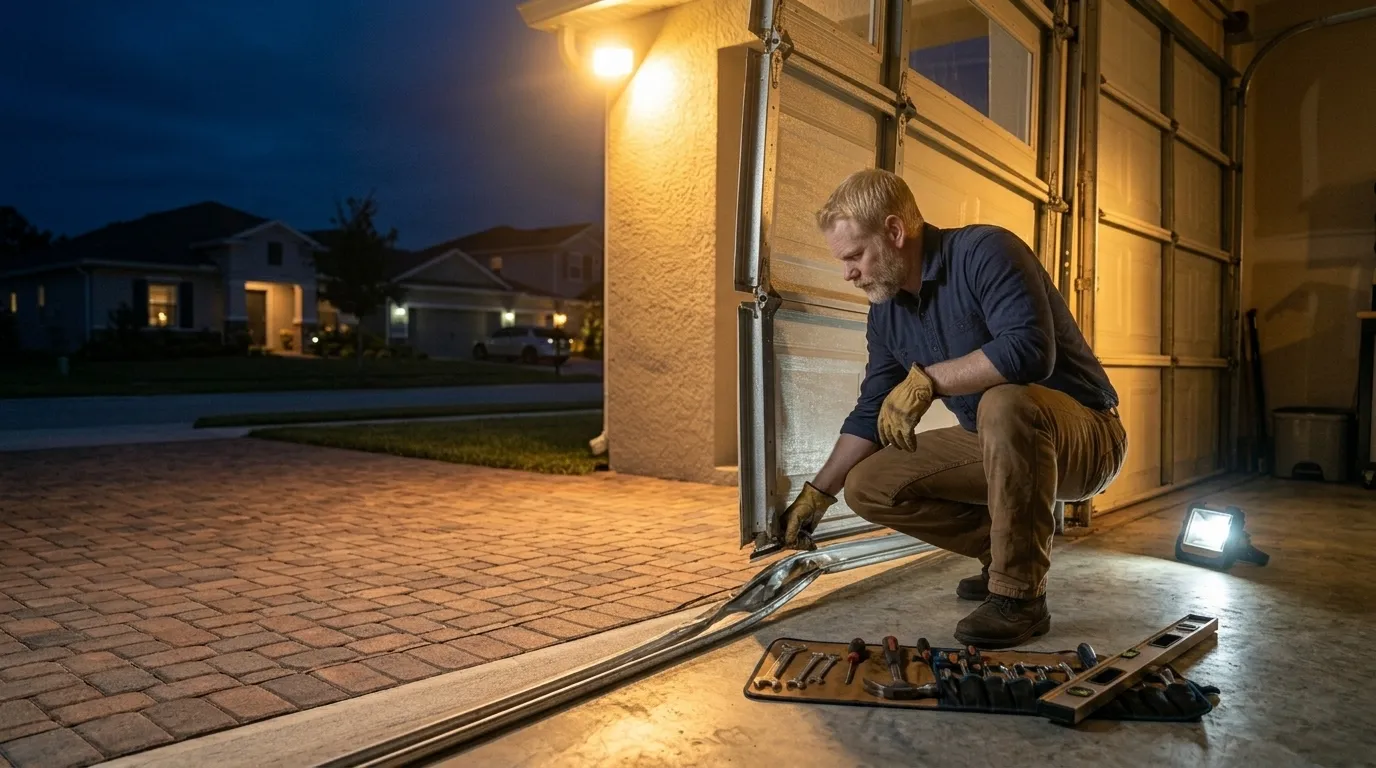
Garage Door Repair
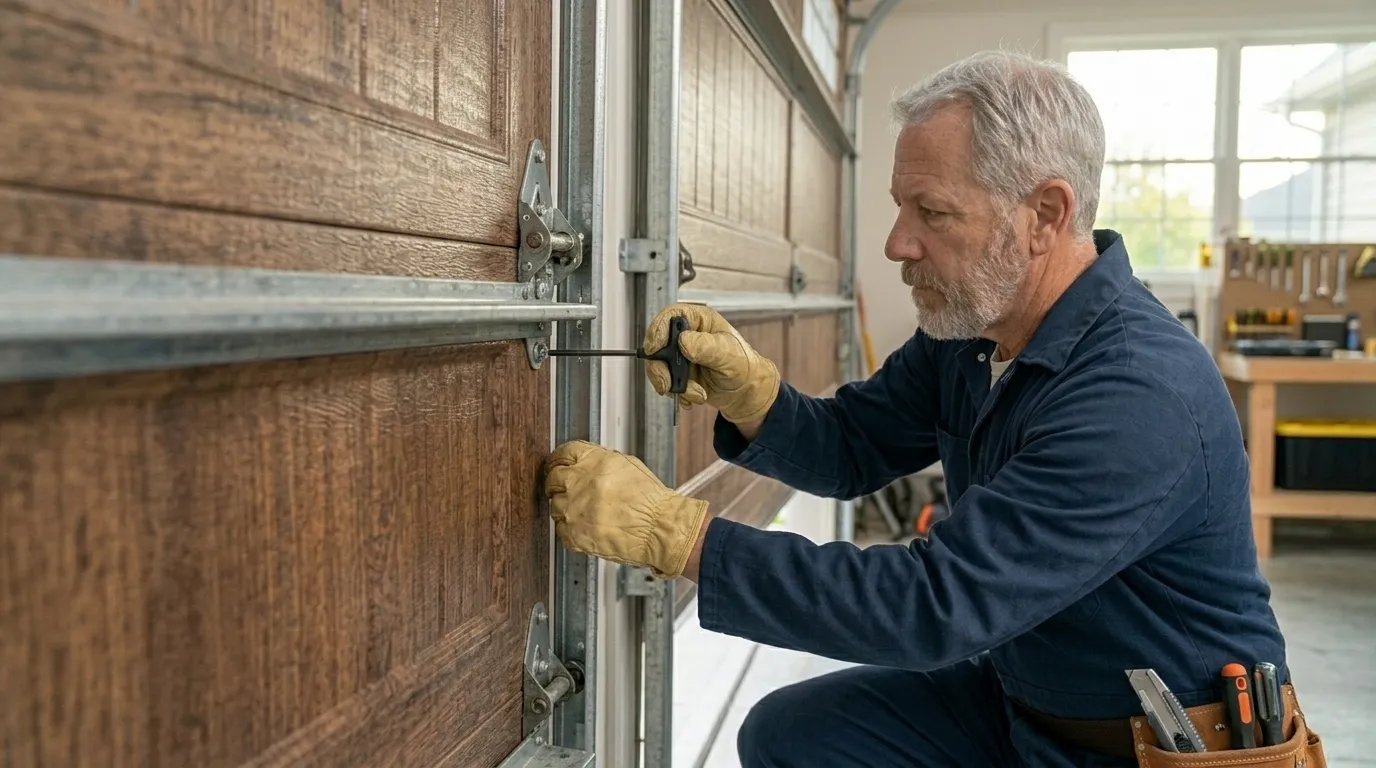
Springs, cables, tracks, rollers, and openers fixed by a tech who explains the problem before touching anything.
Learn more →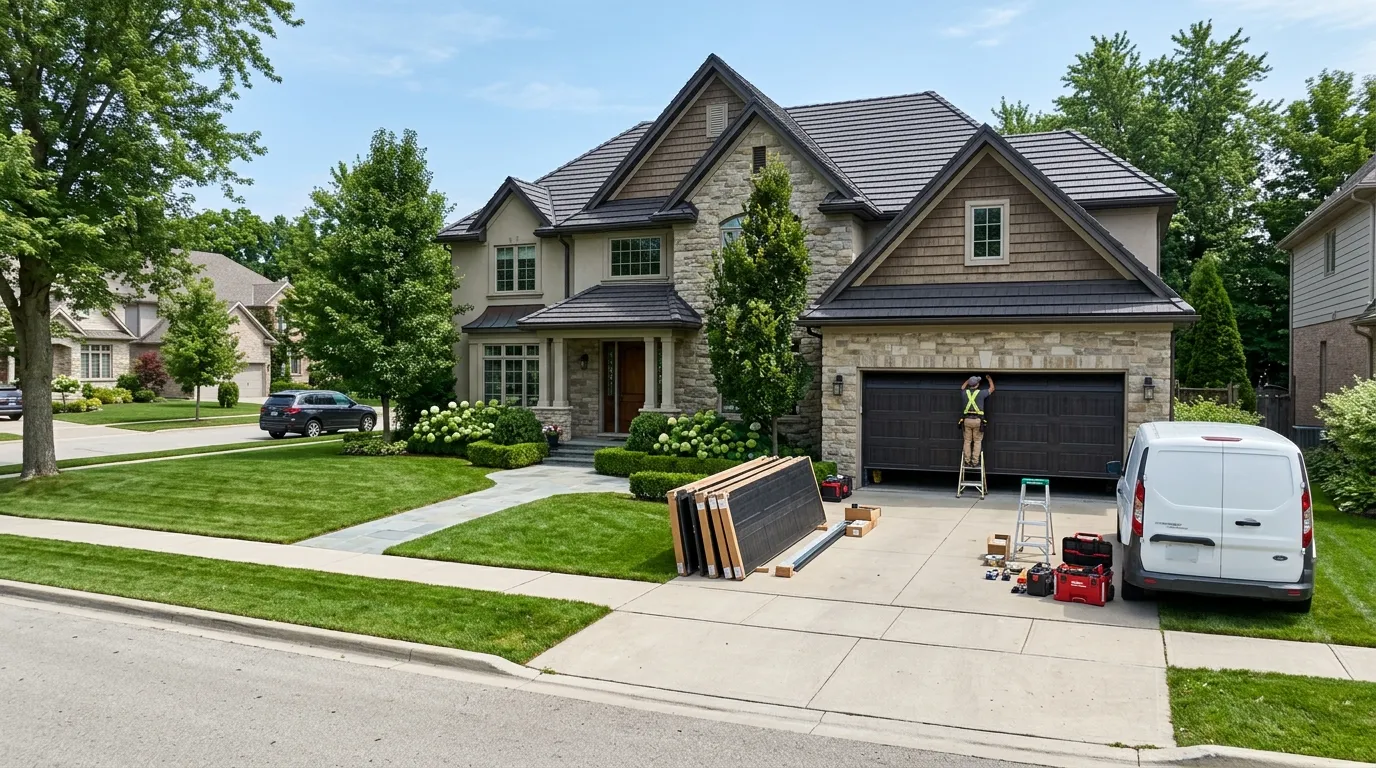
Garage Door Installation
New sectional doors sized and installed for the housing stock actually built in this area.
Learn more →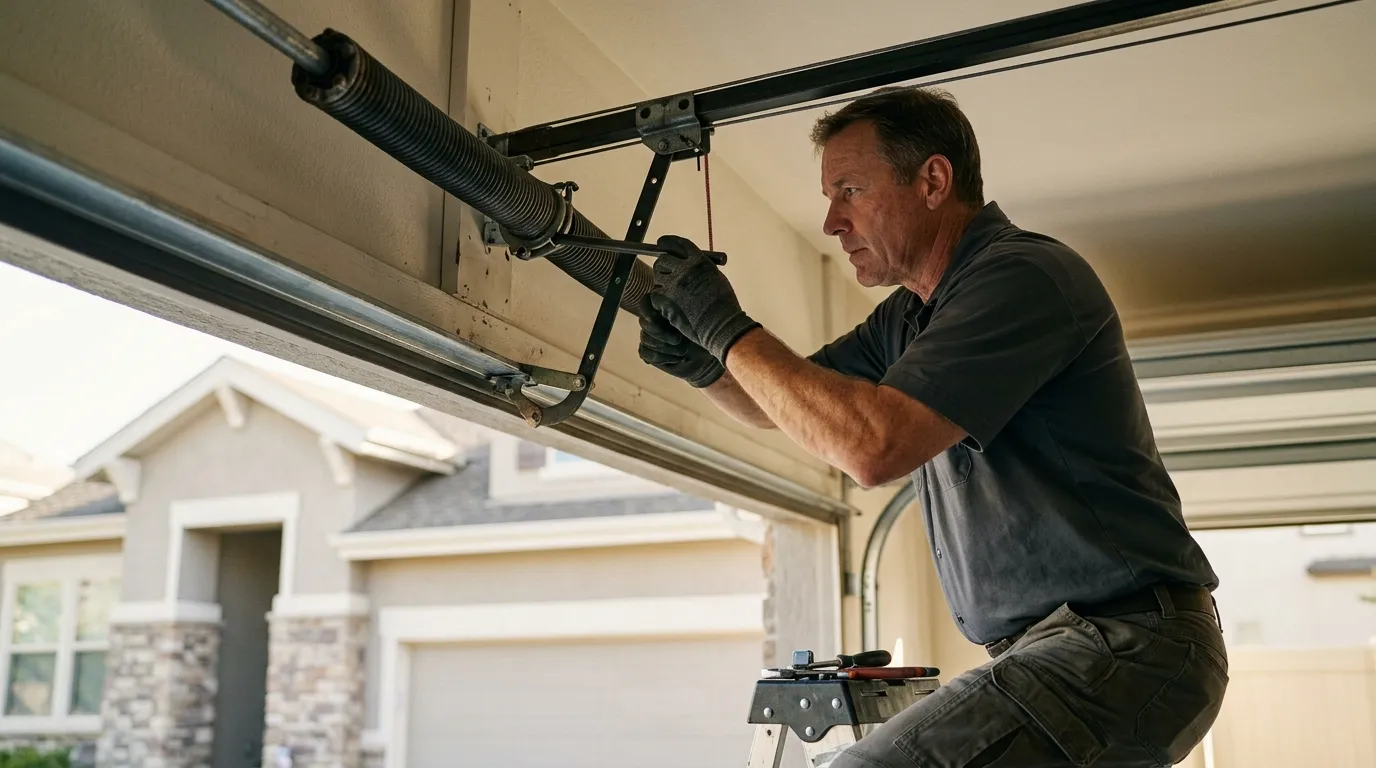
Garage Door Service
Tune-ups, lubrication, and safety checks that catch a small problem before it becomes a service call.
Learn more →Frequently Asked Questions
How do I know if my garage door is too old to fix?
Age alone isn't the test - it's what's failing. If the problem is the spring, opener, or rollers, most doors from the 1973-2014 build range are still worth repairing. If the panel steel is rusted through or warped, or the track brackets have pulled from the jamb, that's structural and usually not worth chasing with patch repairs.
Does Carrollton's climate actually wear out garage doors faster?
Carrollton sits in a moderate heat band, so it's not sudden damage - it's gradual. Decades of summer heat cycling dry out weatherstrip, harden spring lubricant, and loosen track hardware over time. Older doors in the service area have had more of those cycles than newer 2000s-era doors, which is part of why repair needs differ by build year.
Is it cheaper to repair or replace an older door?
It depends on what's breaking and how often. A single hardware failure on a serviceable door is almost always cheaper to repair. Once you're replacing the spring, then the opener, then the rollers within a couple years, many owners here decide replacement makes more financial sense than repeated repair bills.
Have a Door That Needs a Second Opinion?
Call and describe what it is doing - we will tell you what it likely is.