
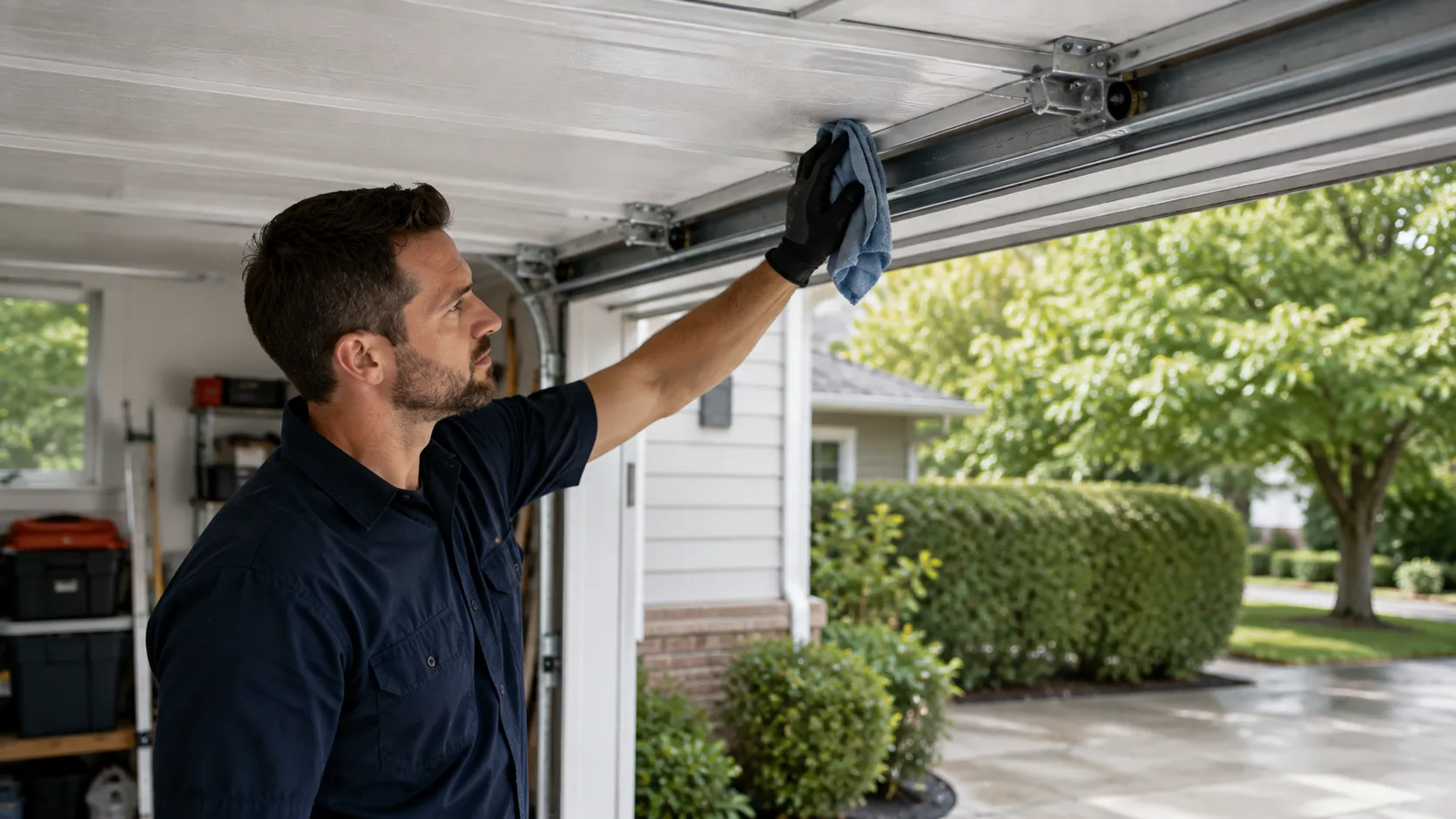
Carrollton Garage Door Guide
Why Your Carrollton Garage Door Lets in a Draught
Carrollton homes built between 1973 and 2014 wear out garage door seals differently than older housing stock. Here's what that means for the draught under your door.
- Licensed & Insured
- Same-Area Service Calls
- Upfront Pricing
Where People Go Wrong
Most homeowners here treat the rubber strip along the bottom of the door as something you replace once and forget. That works fine in a lot of places, but it doesn't hold up well across the housing stock we actually have. Carrollton's homes were mostly built between 1973 and 2014, with the bulk of that construction landing around the 2000s, and that generation of tract-built garages used a thinner PVC bottom seal than what's standard today.
Owners notice the gap under the door, feel a draught, and assume the door itself is out of square. Nine times out of ten it's just the seal, cheap material from a build boom, doing exactly what cheap PVC does after fifteen or twenty years: shrinking, cracking at the corners, and pulling away from the track. Replacing it is a five-minute job with the right u-channel size, but a lot of people spend money on a full weatherstrip kit, side seals included, when the bottom seal was the only thing failing.
Check the bottom first. If the side and top brush seals still sit flat against the jamb, you don't need to touch them.
The Problem
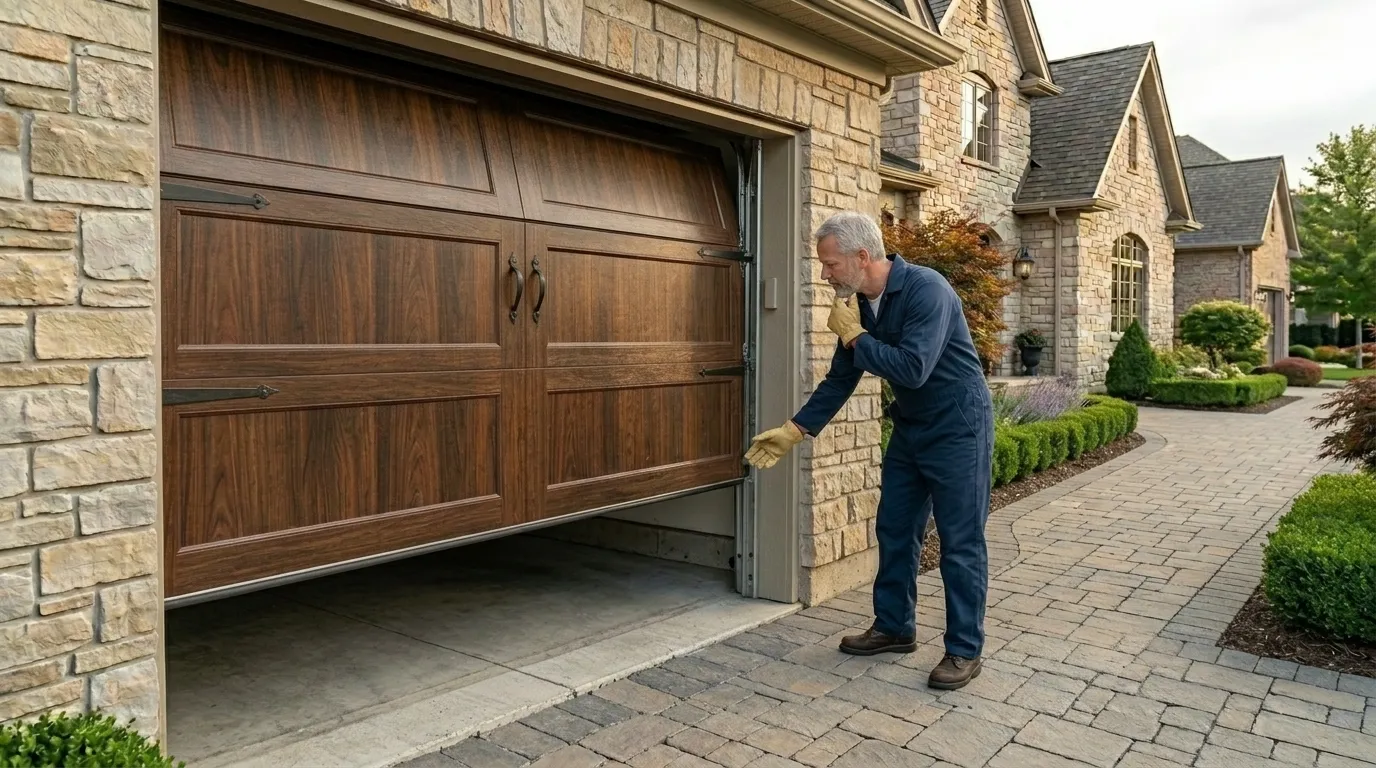
Because so much of Carrollton went up in the same twenty-year window, a huge share of garages share the same seal geometry and the same failure point: the vinyl retainer that holds the bottom astragal in the track. That retainer was often stapled or lightly screwed into a wood jamb rather than set into an aluminum channel, which is what you'll find in newer construction. Wood shrinks and swells with humidity over two decades in ways aluminum doesn't, so the retainer loosens, the seal shifts, and you get a draught that runs along one side more than the other rather than an even gap.
This isn't a defect specific to one builder. It's just what happens to a specific era of construction after enough years. If your house falls into that 1973-to-2014 window, and most houses in this service area do, the fix usually isn't a new door.
It's re-seating the retainer and swapping the bottom seal for a thicker profile that grips a slightly loosened channel better than the original did.
What the Weather Here Does to It
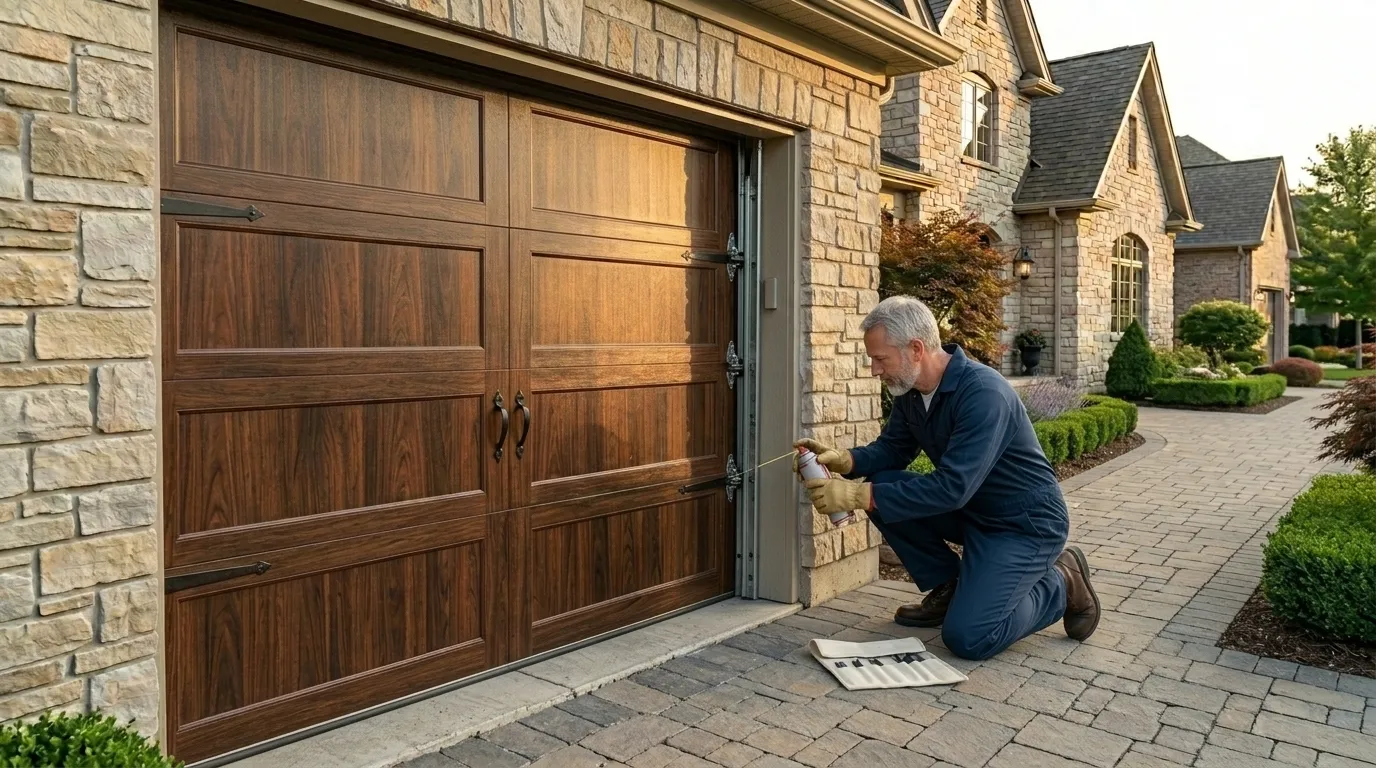
Carrollton sits in a moderate heat climate band, which doesn't sound dramatic next to places that get real cold snaps, but moderate heat still does steady damage to PVC and rubber seals over time. The material doesn't crack from a single hard freeze the way it might farther north. It bakes, softens, re-hardens, and shrinks a little more with every cycle, and it does that for more months of the year here than in a lot of places people compare Carrollton to.
That slow shrink is why the draught tends to show up gradually, a little worse each summer, rather than all at once after one bad week. It also means a seal that looks fine in January can be pulling away from the frame by August. If you're chasing a draught complaint that a family member swears wasn't there last winter, that's consistent with heat cycling, not a sign the door moved or the slab shifted.
When It Stops Being a DIY Job
Swapping a bottom seal or a side brush strip is within reach for most owners with a utility knife and an hour. Where it stops being a DIY job is when the wood jamb itself has warped enough that no seal sits flat against it, or when the draught is coming from a gap between panels rather than at the bottom or sides, which usually means the door's alignment is off, not the weatherstripping. We won't tell you to replace a door over a seal problem, and we won't sell you a full weatherstrip kit if the fix is one component.
But if you've re-seated the bottom seal twice and the draught is still there, that's a sign the track or the jamb needs a look, and that's a call, not another trip to the hardware store. We work across the Carrollton area, including neighborhoods like Central Carrollton, West Carrollton, and Castle Hills, along with nearby communities such as Farmers Branch.
How We Can Help
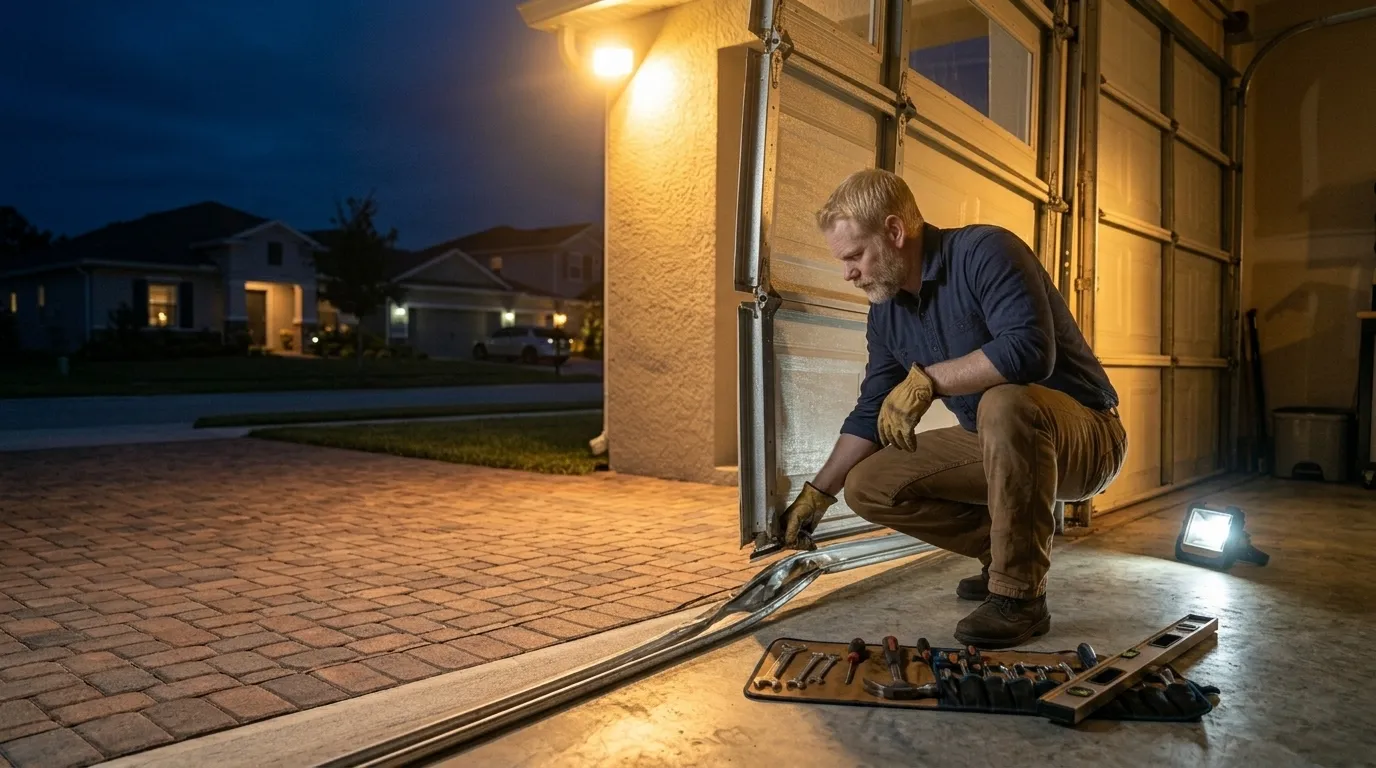
Garage Door Repair
Springs, cables, tracks, rollers, and openers fixed by a tech who explains the problem before touching anything.
Learn more →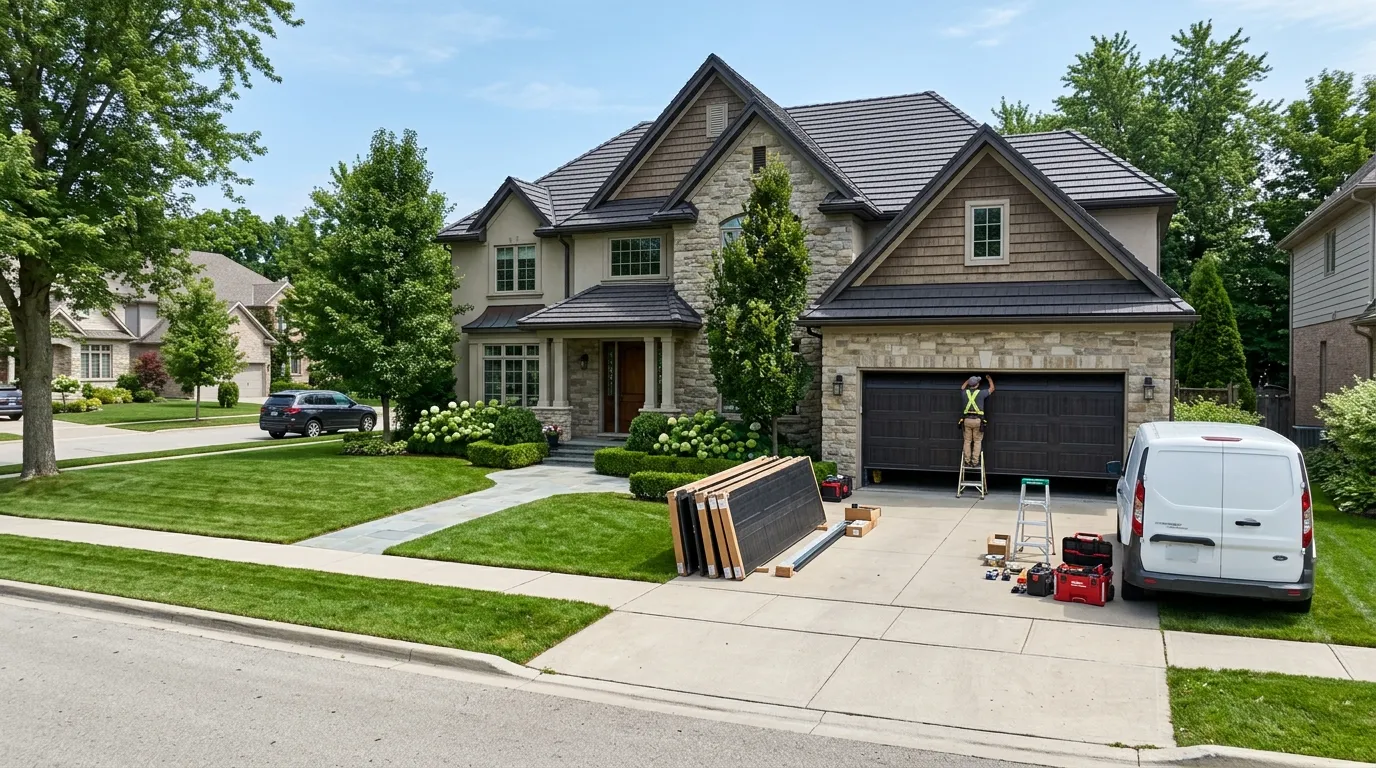
Garage Door Installation
New sectional doors sized and installed for the housing stock actually built in this area.
Learn more →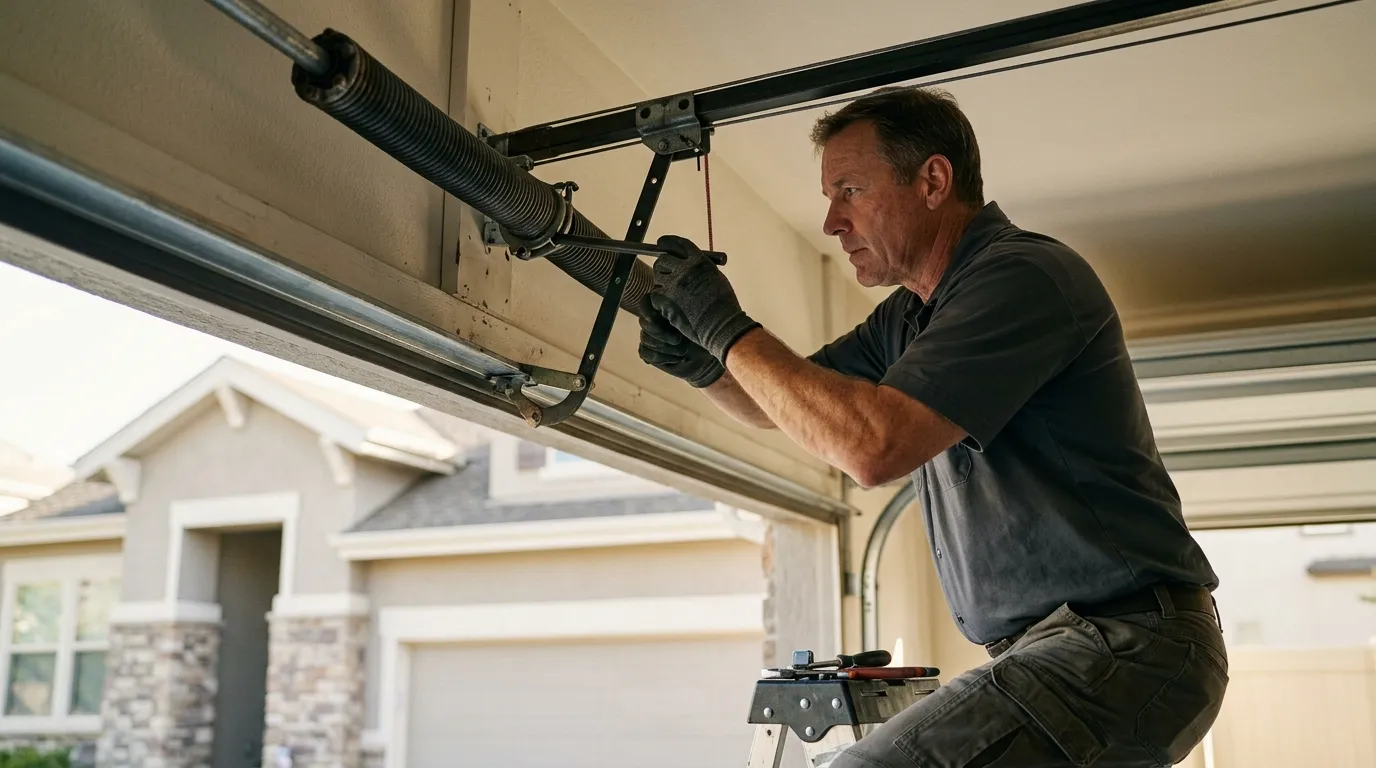
Garage Door Service
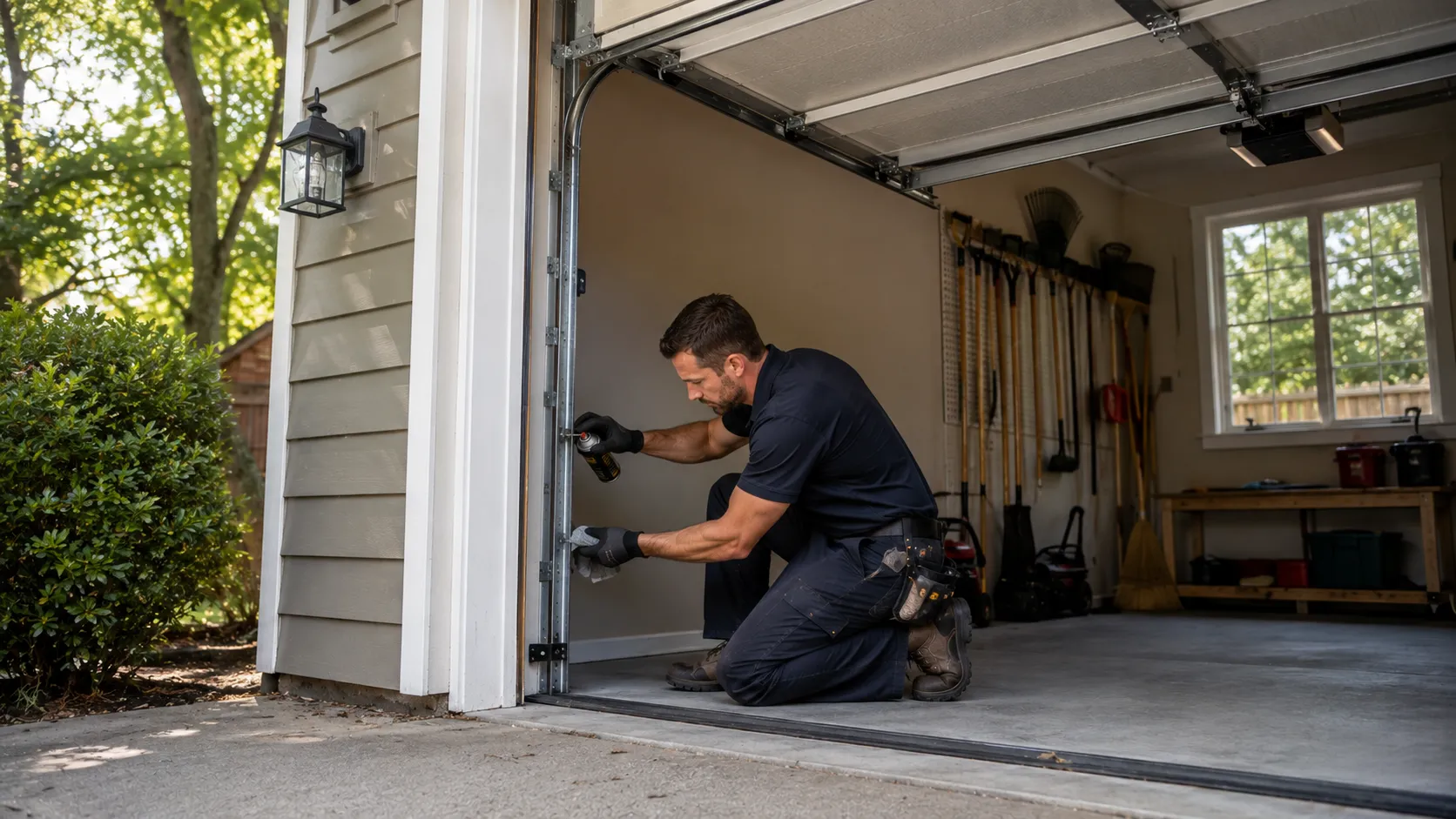
Tune-ups, lubrication, and safety checks that catch a small problem before it becomes a service call.
Learn more →Frequently Asked Questions
Why does my garage door only draught on one side?
That's almost always the retainer channel loosening unevenly, which happens more on the side that gets more direct sun exposure through the day. In houses from Carrollton's main building era, the retainer was often set into wood rather than aluminum, and wood doesn't loosen symmetrically. Check that side's seal and retainer screws before assuming the whole door needs new weatherstripping.
Will a new garage door fix the draught for good?
Usually not by itself, and it's rarely necessary. Most draught complaints in homes from this area's main construction period trace back to the bottom seal or its retainer, not the door panel. A full replacement costs a lot more than reseating a channel and swapping a seal, and it won't outlast a seal that's properly seated in good hardware.
How often should I replace garage door weatherstripping here?
There's no fixed number we can give you without knowing your specific door and jamb condition, but homes built during Carrollton's 2000s-era construction boom are now old enough that a lot of original seals are past their useful life. If yours hasn't been replaced since the house was built, it's worth a look regardless of whether you've noticed a draught yet.
Have a Door That Needs a Second Opinion?
Call and describe what it is doing - we will tell you what it likely is.