
Carrollton Garage Door Guide
The Insulation Gap in Carrollton's Garage Doors
Carrollton's housing stock runs 1973 to 2014, with a median build year of 2000 - old enough that a lot of original garage doors here were never insulated to begin with.
- Licensed & Insured
- Same-Area Service Calls
- Upfront Pricing
Where People Go Wrong
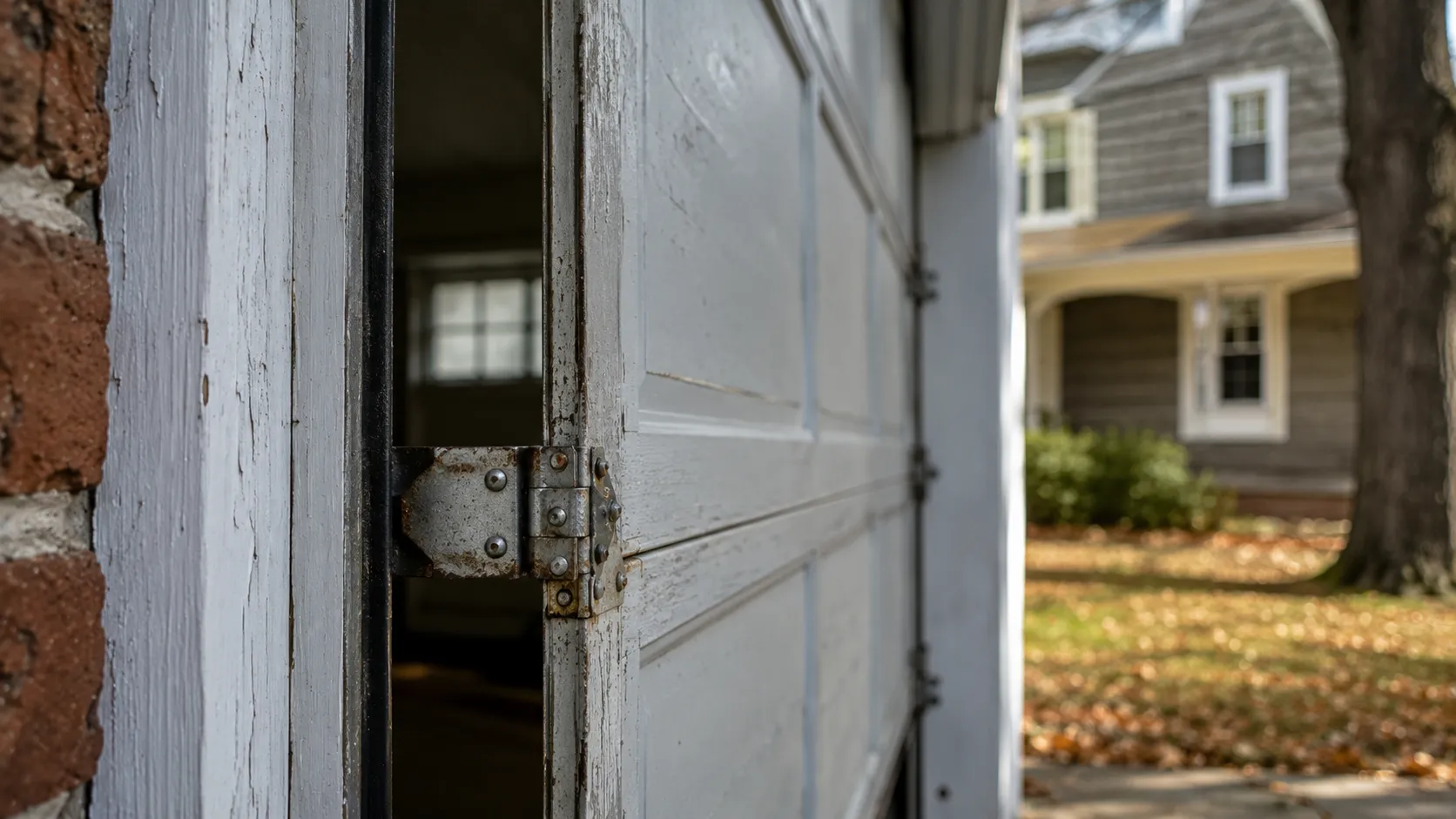
Most homeowners here treat the garage door like the roof - something you don't think about until it fails. That's a mistake in this service area specifically, because the housing stock across the 23 named neighborhoods runs from 1973 to 2014, with the median house going up around 2000. A door built in the 80s or early 90s, before insulation expectations tightened up, is often still the original door.
Nobody swapped it out because it still opens and closes. The panel looks fine from the driveway. What people miss is that a steel door with no foam core does two things badly: it lets heat through, and it flexes more under wind load because it has no rigidity from the insulation layer.
Owners in Central Carrollton and West Carrollton, some of the older pockets in this service area, are the ones most likely to still have that original single-layer door. Newer builds closer to 2010-2014 mostly came with insulated doors as a factory standard, so the gap isn't universal - it's tied directly to when the house went up.
The Problem
An uninsulated door on a garage that shares a wall with living space is a thermal weak point, and in a service area where the median build year is 2000, a real share of the housing stock predates the point where insulated doors became the default choice for builders. That's not a defect - it was normal construction for the era. The problem shows up now, decades later, as the door ages alongside a house that's 10, 20, even 40 years old depending on which of the 23 named areas you're in.
A single-skin steel panel dents easier, transmits more noise, and does nothing to buffer the garage from outside temperature. If that garage houses a laundry room wall or an HVAC closet, the whole house feels it. This isn't a problem you fix with weatherstripping alone.
The door itself is the gap.
What the Weather Here Does to It
This area sits in a moderate heat climate band, not the extreme end, but moderate heat still means real thermal cycling on a steel door - hot pavement radiating up, sun load on the panel face, then a drop after dark. An insulated door handles that expansion and contraction better because the foam core stiffens the steel and slows the temperature swing on the interior face. An uninsulated door built for a different set of expectations just transmits it straight through.
Over years, that cycling is what loosens hinges and works fasteners loose faster on the original, uninsulated doors from the earlier end of this area's 1973-2014 build range. It's not dramatic - no single event, no storm story - just steady wear that shows up as rattling, sagging, or a track that's slightly out of true after enough summers.
When It Stops Being a DIY Job
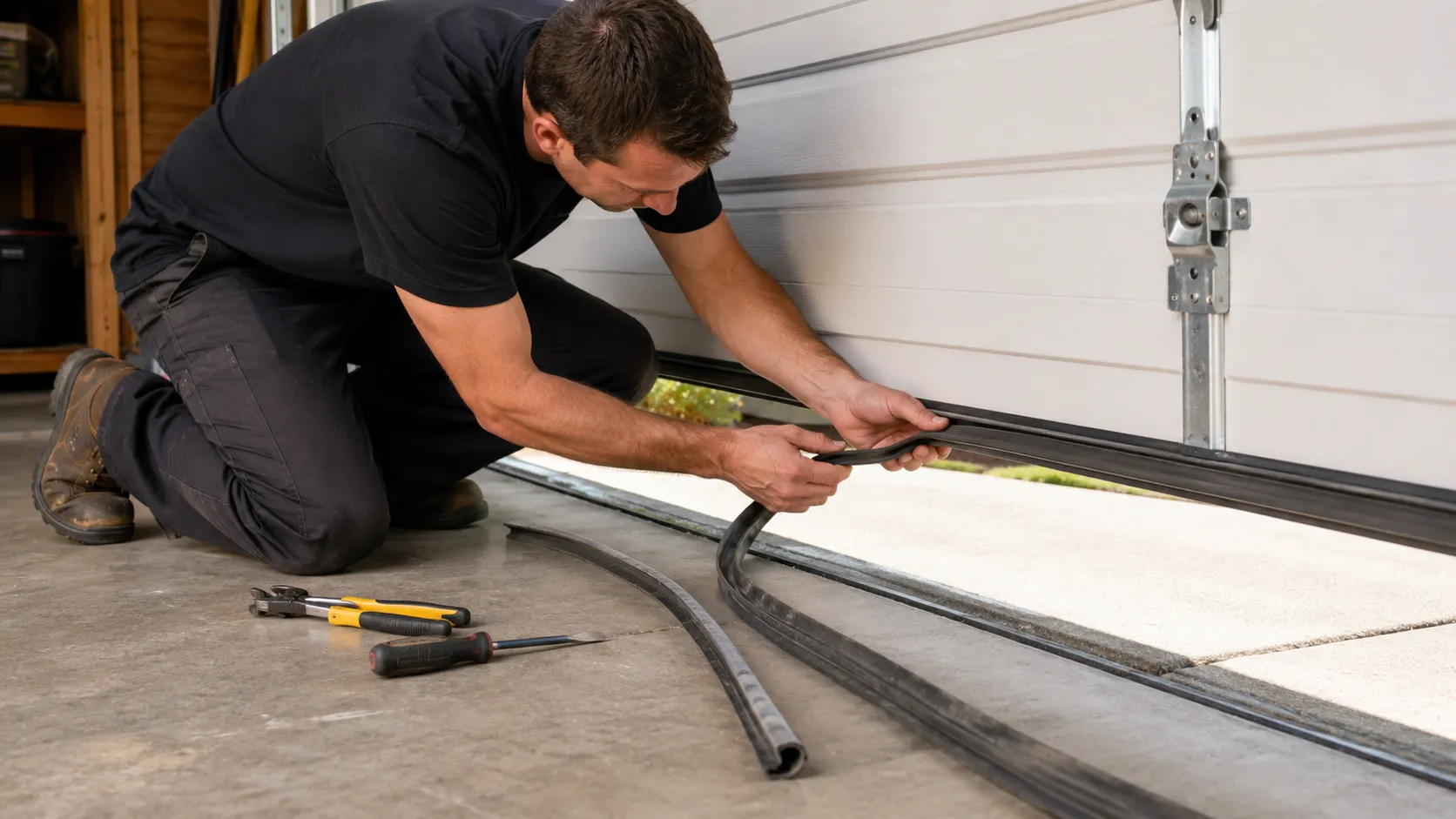
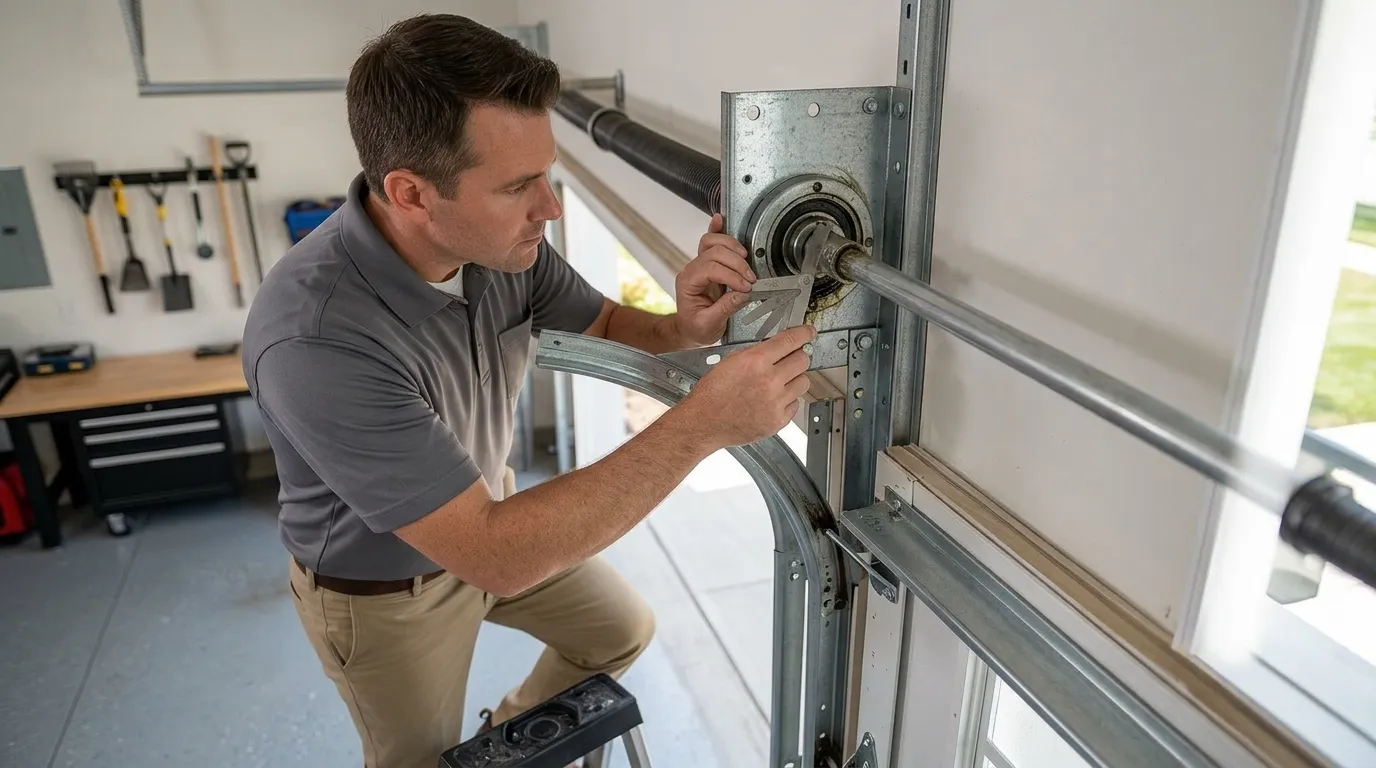
Weatherstripping and a tube of foam sealant handle the easy version of this problem - gaps around the edges, a draft at the bottom seal. That's a Saturday job. What isn't a DIY job is replacing the door skin or the whole section, and definitely not touching a torsion spring system, which stores enough force to cause a serious injury if you don't know the setup.
If your door is original to a house built well before 2000, and it's uninsulated steel with visible flex when it opens, patching the seals buys you a little comfort but doesn't fix the core issue. At that point you're deciding between living with an older single-layer door or replacing it - and that's a call worth making with the actual door in front of you, not over the phone. One honest limit here: we can't tell you which is the right call without seeing the panel, the track condition, and the opener together.
How We Can Help
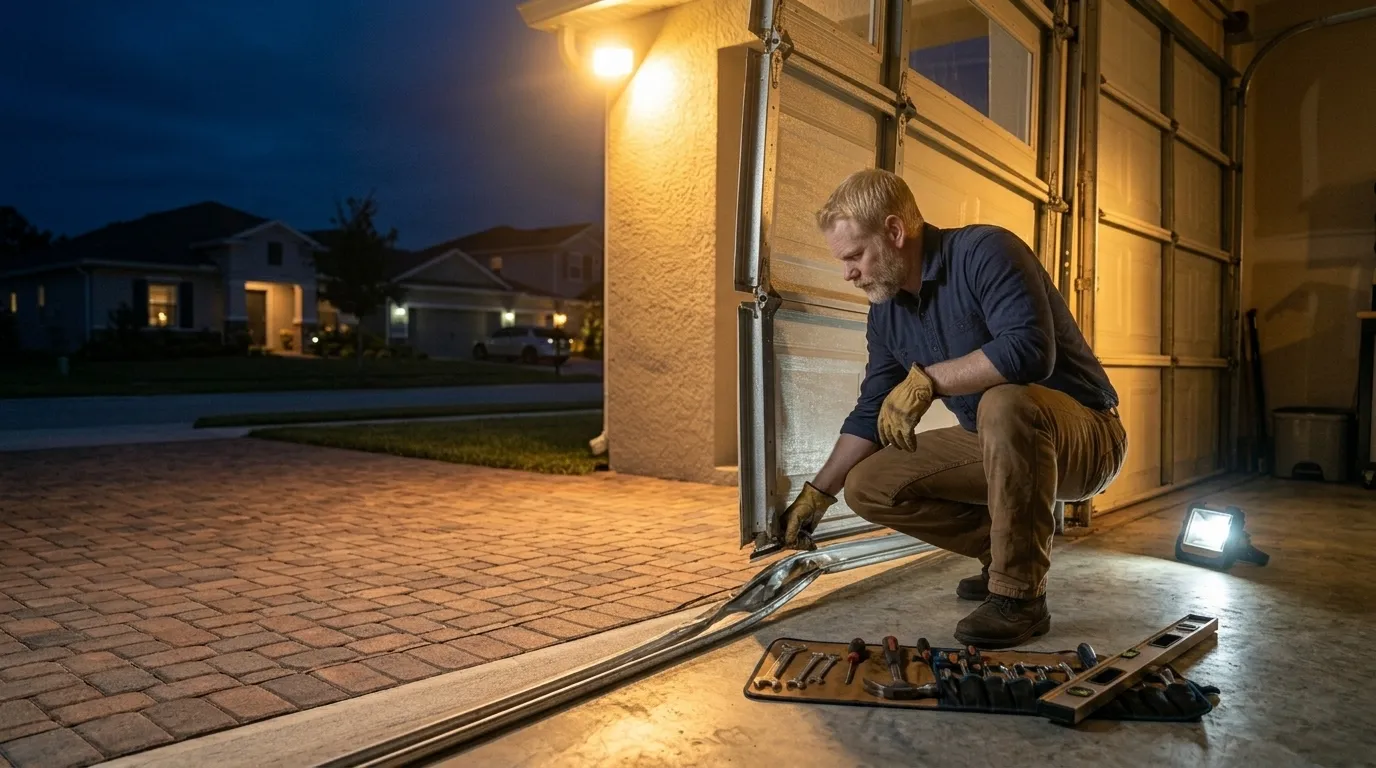
Garage Door Repair
Springs, cables, tracks, rollers, and openers fixed by a tech who explains the problem before touching anything.
Learn more →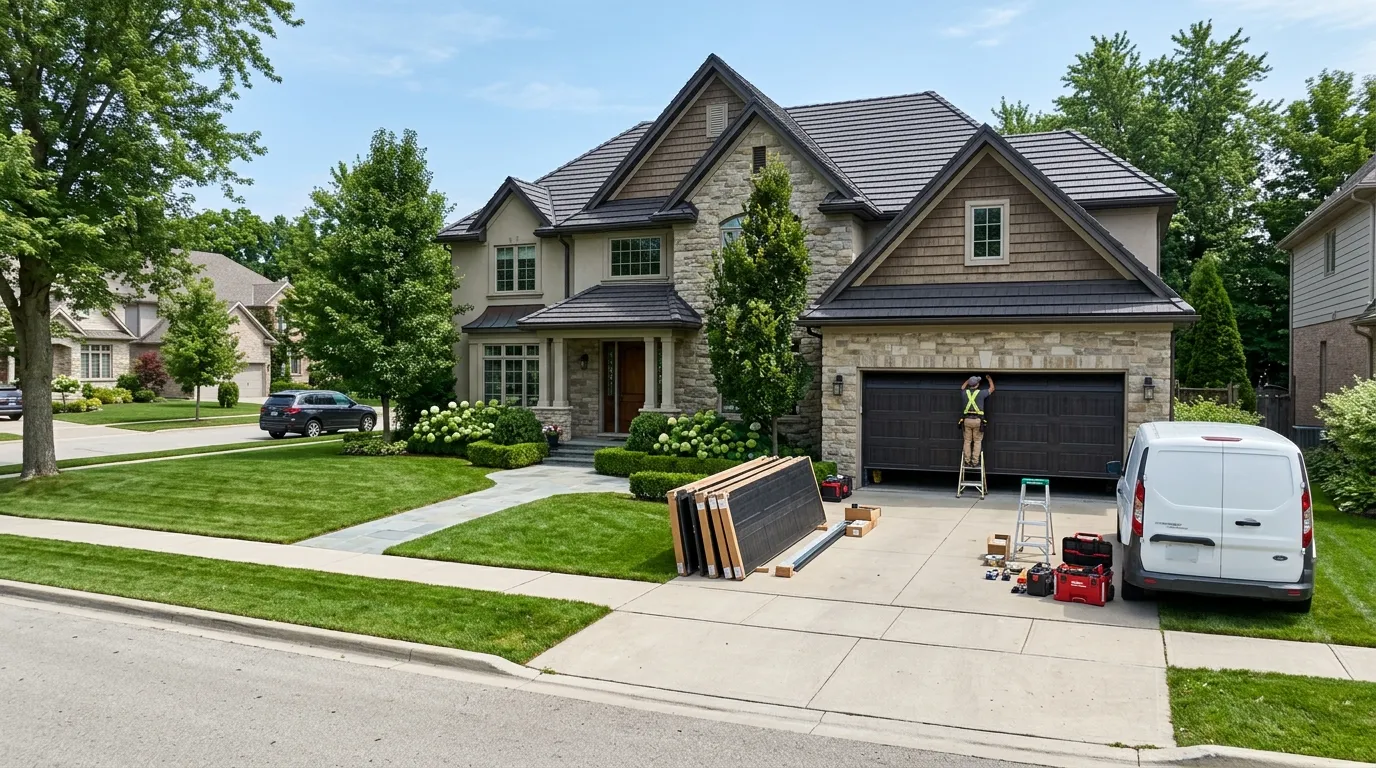
Garage Door Installation
New sectional doors sized and installed for the housing stock actually built in this area.
Learn more →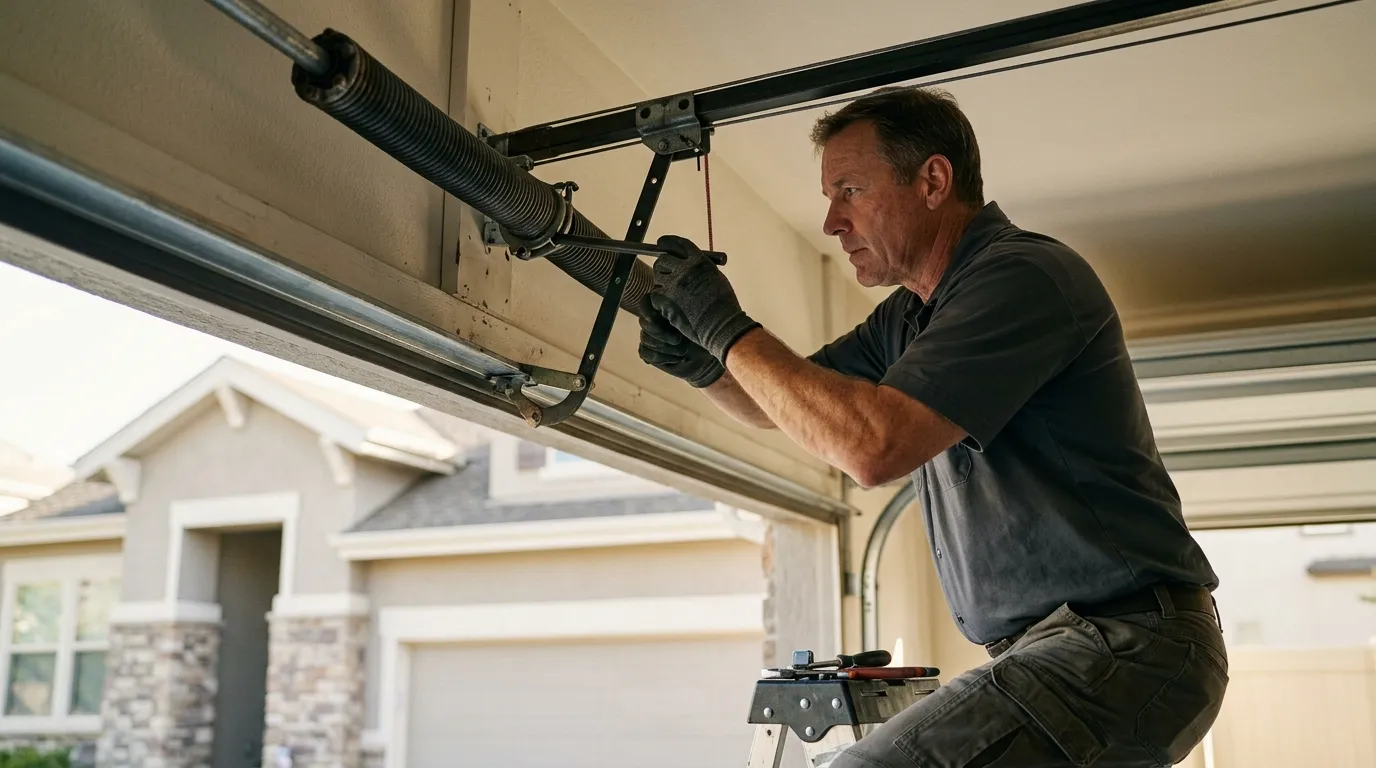
Garage Door Service
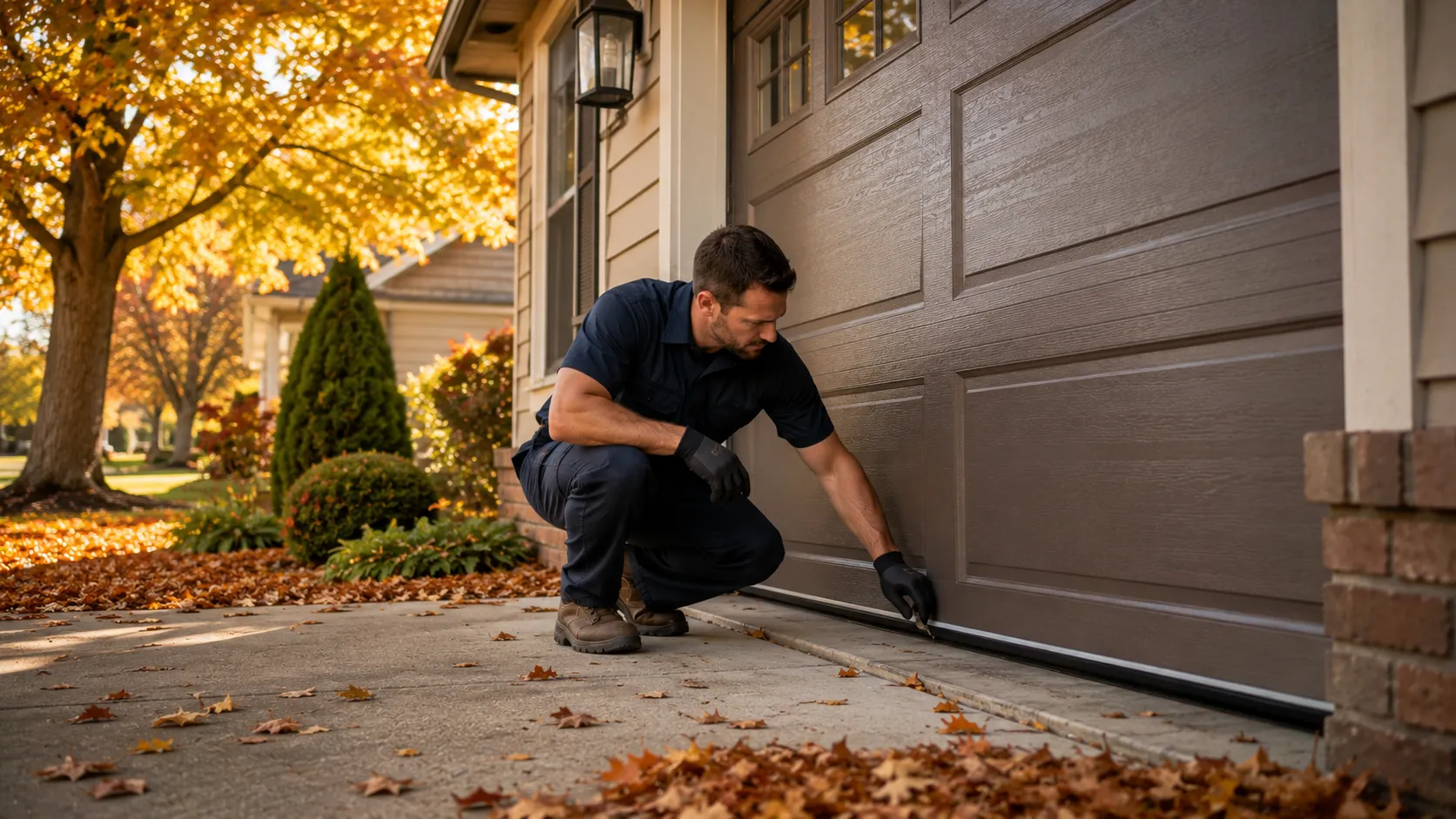
Tune-ups, lubrication, and safety checks that catch a small problem before it becomes a service call.
Learn more →Frequently Asked Questions
Is my garage door likely to be uninsulated if my house was built in the 1980s?
It's a reasonable guess. Insulated garage doors weren't standard equipment across this service area until later in the 1973-2014 build range, closer to the 2000 median. A house built in the 80s that still has its original door is a strong candidate for a single-layer steel panel with no foam core.
Does insulation matter much in a moderate heat climate like this one?
It's not extreme heat, but the daily swing still stresses a bare steel panel - sun load during the day, cooling at night. An insulated door handles that cycling with less flex and less noise. Moderate doesn't mean irrelevant, it just means the wear is gradual instead of sudden.
Can I just add insulation panels to my existing door myself?
Retrofit kits exist and can help with comfort, but they don't fix an old torsion spring system or a track that's already worn from years of a heavier, less rigid panel. If the door itself is failing structurally, a kit is a patch, not a fix.
Have a Door That Needs a Second Opinion?
Call and describe what it is doing - we will tell you what it likely is.